
How to Start Fennel From Seed
Fennel can be grown from seed for feathery foliage, seeds, or a swollen bulb, depending on the variety. It establishes a taproot quickly, so timely sowing matters.
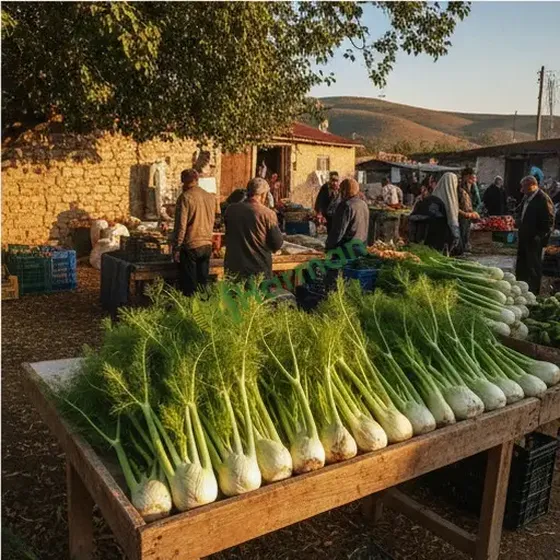
Start indoors or direct sow?
Direct sowing is usually best because fennel resents root disturbance. It can be started indoors in deep biodegradable pots for a head start, but transplant very young and with minimal root disruption.
When to start Fennel seeds
Direct sow 1 to 2 weeks before the last spring frost, or sow in late summer for a fall crop of bulb fennel in many areas. If starting indoors, sow about 4 weeks before the last frost.
How to sow the seeds
Sow seeds 1/4 inch deep in a loose, well-drained seed-starting mix. For indoor starts, use deep cells or biodegradable pots rather than shallow trays, and keep roots intact when planting out.
Germination
Seeds typically germinate in 7 to 14 days at about 60 to 75 F. Keep the mix evenly moist until seedlings emerge, then avoid soggy conditions.
Seedling care
Provide full sun or strong indoor light and water enough to keep seedlings steadily growing. Thin direct-sown plants to the spacing on the variety packet, and use airflow and clean mix to reduce damping off indoors.
Transplanting & hardening off
For direct-sown fennel, transplanting does not apply. If started indoors, harden off for about a week and set out while seedlings are small, before the taproot fills the container.
Tips
Choose a bulb fennel variety if you want edible bulbs, as herb fennel will not make a large bulb. Keep fennel away from dill if you plan to save seed, because they can cross-pollinate.
General seed-starting guidance for US home gardens; timing depends on your local frost dates and variety. Page updated Sep 19, 2026.