
The Cost of Growing Fennel
Fennel is a distinctive specialty crop that can do well with cooking-oriented customers, restaurants, and CSA members who want variety. It is usually not a mass-demand crop, but it can help a farm stand out when quality is high and customers know how to use it.
Startup costs
Seed or transplants, bed prep, irrigation, harvest crates, and wash-pack supplies are the main startup costs. Depending on region and timing, growers may need to manage bolting risk with careful seasonal planning. Cooler space is useful because fresh appearance matters.
Ongoing costs
Labor is moderate because fennel requires planting, weeding, harvest, trimming, washing, and grading for bulb shape and size. Succession planting may be needed for steady sales. Postharvest handling is simpler than delicate greens but still important for visual quality.
Yield & how it sells
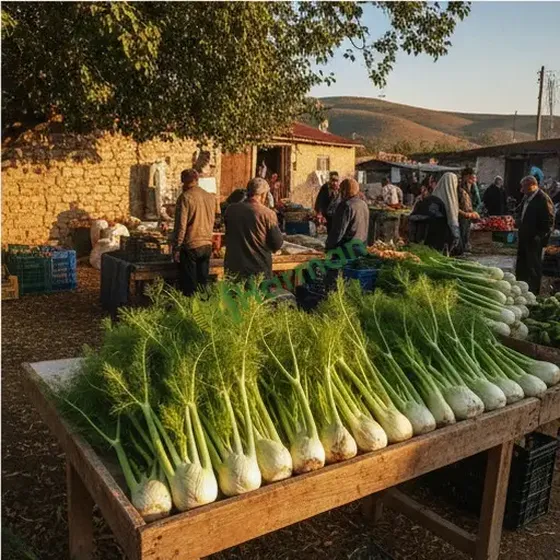
Usually sold by the bulb, with or without trimmed tops, and sometimes by weight. Productivity per area is moderate, with one main marketable bulb per plant. Value depends on clean bulbs, good size uniformity, and minimal splitting.
What makes it profitable
Usually a moderate margin specialty crop. It can perform best in farmers markets, CSA, restaurant sales, and local retail that serves adventurous or food-focused shoppers. For most farms it is a supporting crop, not a core revenue engine.
Financial risks
Bolting, bulb splitting, and uneven sizing are important production risks. Limited mainstream demand can slow turnover if plantings are too large. Cosmetic flaws reduce value because the crop is often purchased by appearance.
Tips to improve returns
Grow it in measured quantities until you know repeat demand. Keep displays clean and include simple use suggestions, because familiarity varies widely. Use your local Cooperative Extension and Small Business Development Center to budget realistic sales volume and season-specific bolting risk.
General planning information, not financial or investment advice, and not a guarantee of profit. For real budgets, work with your Cooperative Extension office and local Small Business Development Center. Page updated Sep 18, 2026.