
The Cost of Growing Grapes
Grapes can serve niche fresh-market, processing, or agritourism roles on small farms, but they are management-intensive and site dependent. For many market gardens, they are a specialty perennial rather than a core cash crop.
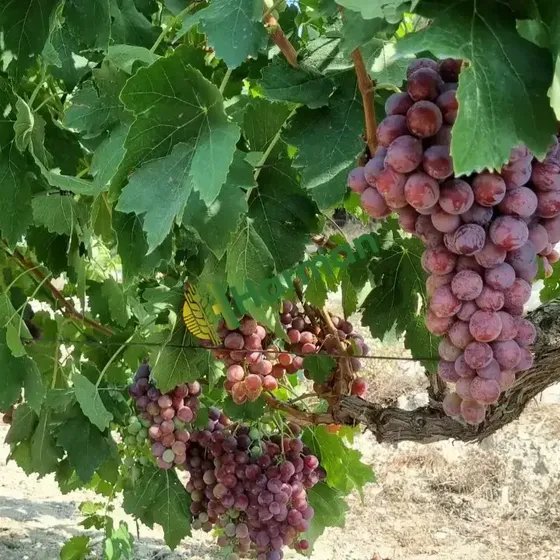
Startup costs
Startup costs are high. Establishment includes vines, posts, wire trellis, irrigation, site prep, and often bird netting. Wash-pack is usually lighter than for berries, but cooling and storage still matter for table grapes. Protected culture is not common in most field situations.
Ongoing costs
Ongoing costs include pruning, canopy management, training, weed control, spraying where needed, harvest, sorting, and packing. Labor is significant because vines need repeated seasonal attention. Netting setup and removal can also add cost where birds are a serious issue.
Yield & how it sells
Grapes are usually sold by weight, cluster, or basket, depending on type and market. Mature plantings can be productive per area, but usable yield depends on disease control, bird management, and cluster quality. Value varies widely between fresh market, juice, jam, and specialty uses.
What makes it profitable
Grapes tend to be a moderate-margin specialty crop for small farms, with higher potential only when growers have a strong niche, good site, and dependable market. They can fit farmers markets, local retail, wineries, or value-added channels, but they are not universally easy direct-market crops. For many growers, they are better as a diversified perennial than a main revenue driver.
Financial risks
Major risks include disease pressure, weather losses, bird damage, high training labor, and delayed returns during establishment. Fresh-market quality standards can be hard to meet consistently. Some markets may also be crowded if customers have access to cheaper regional fruit.
Tips to improve returns
Start with a clear market plan, fresh clusters, processing, or agritourism, because management and varieties should follow that choice. Keep pruning and canopy work timely, since neglected vines lose quality quickly. Check with your local Cooperative Extension and Small Business Development Center before investing heavily in trellis, varieties, and projected sales.
General planning information, not financial or investment advice, and not a guarantee of profit. For real budgets, work with your Cooperative Extension office and local Small Business Development Center. Page updated Sep 18, 2026.