
Growing guide · Fruit
How to Grow Grapes
Days to maturity730 days
Spacing72 in
SeasonCool-season
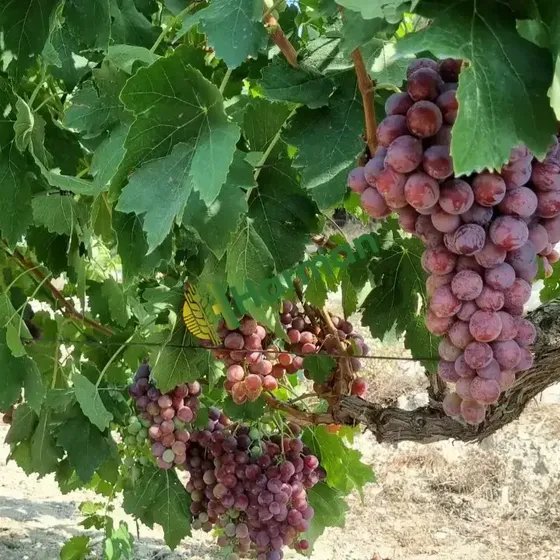
Grapes are a long-lived perennial vine grown across much of the United States for fresh eating, juice, jelly, and home winemaking. Home gardeners like them because a single well-tended vine can produce for decades and because there are cold-hardy American types, disease-tolerant hybrids, and classic European varieties to suit almost any region. With a sturdy trellis and yearly pruning, grapes reward a little planning with a heavy late-summer harvest.
When and how to plant
Plant dormant, bare-root vines in early spring once the soil can be worked and hard frost has passed, choosing a variety rated for your USDA hardiness zone. Grapes need full sun (at least six to eight hours a day) and well-drained soil; a gentle slope that sheds cold air and standing water is ideal, and they tolerate soils on the leaner side better than rich, soggy ones. Space vines about 6 to 8 feet apart in the row, soak the roots before planting, and set each vine at the depth it grew in the nursery with the roots spread out in a wide hole. Because grapes are climbing vines, put up a two-wire trellis, fence, or arbor at planting time so the trunk and fruiting arms have permanent support to be tied to as they grow.
Care
Water new vines regularly through their first one to two seasons to establish deep roots; once established, grapes are fairly drought-tolerant and need extra water mainly during long dry spells and while fruit is filling. Grapes are not heavy feeders, so keep soil fertility modest and avoid pushing lots of leafy growth at the expense of fruit; a soil test can tell you whether any amendment is warranted. A few inches of mulch, kept back slightly from the trunk, helps hold moisture and suppress weeds. The most important yearly care is dormant-season pruning in late winter: grapes fruit on the current season's shoots that grow from last year's wood, and removing most of the old growth each year keeps the vine productive, open to sunlight, and easy to manage on its trellis.
Common problems
Common grape problems include fungal diseases such as black rot, powdery mildew, and downy mildew, which are worst in humid weather and on crowded vines. The best non-chemical defenses are choosing disease-resistant varieties, giving vines full sun and good air movement, pruning yearly to open the canopy, and cleaning up fallen leaves and mummified fruit that harbor disease over winter. Birds, Japanese beetles, and wasps can also take a share of the crop, and lightweight netting draped over the trellis is a simple way to protect ripening clusters.
Harvest
Grapes ripen from late summer into fall and, unlike some fruit, do not sweeten further after picking, so taste a few berries and harvest only when the whole cluster is fully colored and sweet. Cut clusters from the vine with pruners or scissors rather than pulling them, handling them gently to avoid crushing the fruit. Fresh grapes keep for a week or more in the refrigerator, and surplus can be frozen, juiced, or made into jelly.
Popular Grapes varieties to grow
For grapes, the main decisions are table versus juice or wine use, seedless versus seeded fruit, and whether the vine suits your winter cold and summer disease pressure. Home gardeners should also consider vine vigor and whether a variety ripens early enough for their area.
| Variety | Type | Days | Notes | Best for |
|---|---|---|---|---|
| Concord | seeded, American | - | Concord is the classic blue-purple American grape with strong traditional flavor and excellent cold hardiness. It is widely grown for juice, jelly, and home arbors. | juice, jelly, backyard arbors |
| Thompson Seedless | seedless, table | - | The standard green seedless table grape, Thompson Seedless is best in warmer, drier regions. It is popular for fresh eating and drying. | fresh eating, raisins |
| Reliance | seedless, pink-red table | - | Reliance is valued for cold hardiness and soft, sweet seedless fruit with a pinkish cast. It is one of the best seedless choices for cooler climates. | cold-climate table grapes |
| Mars | seedless, blue table | - | Mars is a blue seedless grape with good disease resistance and strong garden reliability. It is often recommended for home growers in humid regions. | easy-care fresh eating |
| Niagara | seeded, white American | - | Niagara is a classic greenish-white American grape with a sweet, distinctive flavor. It is widely used for juice and fresh eating in eastern gardens. | juice, fresh use |
| Himrod | seedless, white table | - | Himrod is an early-ripening seedless grape with tender golden fruit and excellent dessert quality. It is especially appreciated where the growing season is moderate. | high-quality table grapes, early ripening |
Variety notes are general guidance for US home gardens; local performance varies by climate and season. Availability differs by seed supplier.
Growing Grapes in containers
Grapes can be grown in containers, but they need a large root zone, full sun, and a permanent trellis or arbor. Use a 20 to 30 gallon container at least 18 to 24 inches deep with large drainage holes and a fast-draining potting mix. Water deeply when the top inch dries, feed lightly in spring, and select a disease-resistant table grape or compact cultivar adapted to your region.
Watering & feeding Grapes
Young vines commonly need about 1 inch of water per week during dry weather, while established vines may need supplemental water only during extended drought or key growth stages. Grapes are relatively drought tolerant once established, but fruiting vines need steady moisture during hot, dry periods. Water deeply at the base to encourage deep roots, and let the soil surface dry between irrigations. Avoid routine overhead watering where disease is a concern; leaf wilt, poor shoot growth, and shriveled berries can indicate drought, while overly vigorous shoots and persistently wet soil can indicate excessive water.
Grapes are light to moderate feeders, and a soil test should guide amendments before planting and over time. Compost can improve soil structure, while modest nitrogen and adequate phosphorus and potassium support balanced vine and fruit growth. Feed lightly in early spring if soil tests or vine vigor indicate a need, especially for young vines. Avoid fertilizing late in the season and do not overapply nitrogen, which promotes excessive canopy growth and can delay hardening off. Mulch young vines to conserve moisture, but leave a gap around the trunk. Once vines are established, water less often but more deeply to build a drought-resilient root system.
Saving Grapes seeds
Grapes do not come true from seed, so preserve a desired grape variety with cuttings rather than seeds. Remove seeds from fully ripe grapes, rinse away pulp, and dry them thoroughly before storage. Store cool, dark, and dry for about 2 to 3 years, and expect cold stratification to be useful before planting.
Grapes companion plants
Good companions for grapes include chives, oregano, thyme, and other low-growing herbs that attract beneficial insects while leaving grape trunks and fruiting canes unshaded. Clover in a managed alley or nearby groundcover can contribute nitrogen and reduce bare soil, but keep it away from the immediate vine base to limit competition. Avoid planting grapes with large, vigorous plants that shade them or compete heavily for water, and avoid brassicas directly beneath vines if irrigation and fertility needs cannot be managed separately. Companion pairings for grapes are less established than proper sun, pruning, airflow, and disease management.
When to plant Grapes near you
Get the exact start-indoors, transplant, and fall planting dates for Grapes at your location.
Frequently asked questions about Grapes
When should I plant Grapes?
In most US regions, plant dormant, bare-root grapevines in early spring once the soil is workable and hard frosts have passed. Container-grown vines can also go in during spring or early fall, giving roots time to settle before extreme heat or cold.
How much sun do Grapes need?
Grapes need full sun, meaning at least 6 to 8 hours of direct light per day, with more sun producing sweeter fruit. Choose an open spot with good air circulation to help the leaves dry quickly and reduce disease.
How long does it take for Grapes to produce fruit?
Most grapevines begin bearing a real crop about 2 to 3 years after planting, since the first couple of seasons go into establishing roots and a strong framework. With good pruning and care, a healthy vine can then keep producing for many years.
How far apart should I space grapevines?
Space vines roughly 6 to 8 feet apart along a sturdy trellis or fence, with rows about 8 feet apart if you plant more than one row. Grapes are vigorous climbers, so they need this room plus a strong support to keep canes off the ground.
Can I grow Grapes in containers?
Yes, grapes can grow in a large container of at least 15 to 20 gallons with a trellis or stake for support, which suits patios and small yards. Container vines dry out faster and are less winter hardy, so water regularly and protect the pot in cold-climate winters.
How do I know when Grapes are ready to harvest?
Grapes ripen in late summer to fall and, unlike some fruit, do not sweeten after picking, so let them fully color and taste a few before harvesting. Ripe clusters are deeply colored, slightly soft, and taste sweet, and the small stems often turn brown and woody.
General guidance for US home gardens. Reference figures are typical values; your exact timing depends on your local frost dates and variety. Page updated Sep 18, 2026.