
Stevia Nutrition & Uses
Stevia is used as an herb in very small quantities, so it contributes flavor and sweetness rather than meaningful bulk to a dish. The following describes only the general composition of the leaf as reported by USDA FoodData Central.
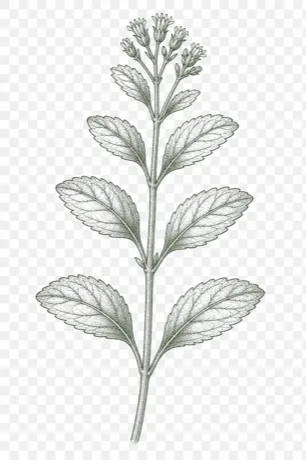
Nutritional profile
According to USDA FoodData Central, the sweetness of stevia comes from natural compounds in the leaf called steviol glycosides, which provide sweet taste with very few calories. The fresh leaf is mostly water, and dried leaf material contains small amounts of dietary fiber along with trace minerals. Because it is used by the pinch or leaf rather than the cup, the amounts of any nutrients or vitamins present in a serving are very small.
In the kitchen
Stevia is prized as a natural sweetener and is easiest to use as fresh leaves, dried crushed leaf, or a homemade liquid extract steeped from the leaves. Drop a few fresh leaves into a pitcher of sun tea, muddle them into lemonade or a fruit spritzer, or steep dried leaves with mint for a sweet herbal infusion. A little goes a long way, so start with a small pinch of powder or one or two leaves and adjust to taste, keeping in mind that stevia does not caramelize or provide bulk the way sugar does in baking.
Choosing & preparing
When buying transplants or fresh-cut stevia, look for bright green, unblemished leaves and sturdy, non-wilted stems with no yellowing or dark spots. Nibble a tiny piece of leaf if you can, since a strongly sweet flavor indicates good quality and proper growing. For dried stevia, choose green rather than brown leaves, which signals careful drying and better retained sweetness.
Flavor pairings
Stevia pairs naturally with lemon, lime, mint, ginger, hibiscus, and berries in cold drinks and infusions. It works well alongside other tea herbs such as lemon balm and lemon verbena, and it can sweeten fruit compotes, yogurt, and smoothies. Because its sweetness can carry a mild licorice-like note, it blends especially nicely with citrus and bright fruit flavors.
Tips
Because stevia is far sweeter than sugar, measure it sparingly and add gradually to avoid an overly sweet or slightly bitter result. Fresh leaves are milder than concentrated powder, so adjust your amounts when switching between forms. Making a simple liquid extract by steeping dried leaves in warm water gives you an easy-to-measure sweetener to keep in the refrigerator.
General food-composition information based on USDA FoodData Central. This is not medical or dietary advice; for personal guidance, consult a registered dietitian or your doctor. Page updated Sep 18, 2026.