
How to Store Stevia
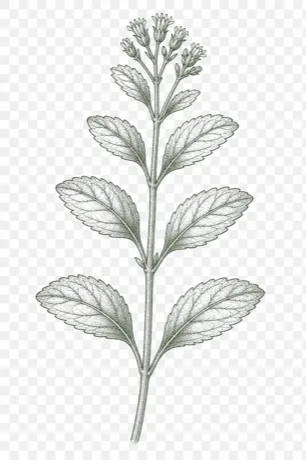
Stevia is grown for its leaves, which are used fresh in small amounts or dried and stored for months of sweetening. How you store it depends on whether you want a short-term fresh supply or a long-term pantry stash.
Best storage conditions
Store fresh-cut stems and leaves in the refrigerator at about 32 to 40 degrees Fahrenheit with high humidity, ideally in a loosely closed bag or with the stems in a glass of water. Dried leaves should be kept in a cool, dark, dry place, roughly 50 to 70 degrees Fahrenheit, in an airtight container away from light and moisture.
How long it keeps
Fresh stems keep in the refrigerator for about one to two weeks. Properly dried leaves, whole or crumbled, hold their sweetness for a year or more when sealed and kept dry, and homemade stevia powder stays usable for several months to a year.
Storage methods
The most common long-term method is air-drying or using a dehydrator, then storing the crisp leaves whole and crushing them only as needed to preserve flavor. Fresh leaves can also be frozen, and you can steep dried leaves in water to make a liquid stevia extract that is refrigerated in a small bottle.
Freezing & preserving
Drying is by far the preferred way to preserve stevia, either by hanging small bundles in a warm airy spot, using a food dehydrator on low, or briefly in a very low oven until the leaves are crisp. Leaves also freeze well when spread on a tray and then bagged. Stevia is not typically canned on its own, but if you incorporate it into a preserved recipe, follow only tested USDA or National Center for Home Food Preservation (NCHFP) recipes, and remember that any low-acid mixture requires pressure canning for safety.
Tips
Dry stevia leaves quickly and thoroughly, because slow drying in humid conditions can dull the flavor and invite mold. Store the leaves whole and grind small batches into powder as you need them, since whole leaves keep their potency longer than pre-ground powder. Label containers with the harvest date so you can rotate through your oldest stock first.
General home-storage guidance. For home canning and preserving safety, follow USDA and National Center for Home Food Preservation (NCHFP) guidelines. Page updated Sep 18, 2026.