
Growing guide · Herb
How to Grow Stevia
Days to maturity90 days
Spacing18 in
SeasonWarm-season
Start indoors8 wk pre-frost
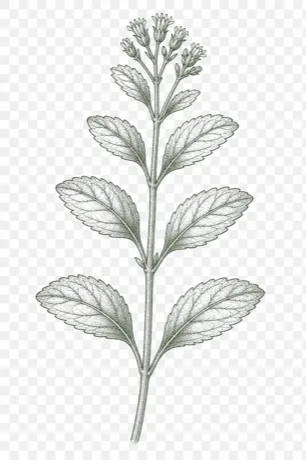
Stevia is a tender perennial herb from South America that US gardeners grow for its intensely sweet leaves, which taste many times sweeter than table sugar when you nibble a fresh green leaf straight off the plant. In most of the country it is treated as a warm-season annual because it cannot survive a hard freeze, though gardeners in the mildest coastal and Deep South areas can keep it going year after year. Its low-calorie sweetness makes it a favorite for flavoring iced tea, lemonade, and homegrown herbal blends.
When and how to plant
Stevia is a warm-season plant that will not tolerate frost, so set it out only after the last spring frost has passed and the soil has warmed, usually a week or two after your average last-frost date. Because the tiny seeds germinate slowly and unevenly, most gardeners start them indoors about 8 weeks before that date or simply buy transplants. Choose a spot with full sun in cooler regions and light afternoon shade in the hot South, and plant in loose, well-drained soil rich in organic matter with a near-neutral pH.
Care
Stevia has shallow roots and prefers steady, even moisture, so water regularly and never let the soil dry out completely, but avoid soggy conditions that rot the roots. Feed lightly with a balanced or slightly lower-nitrogen fertilizer, since too much nitrogen makes leggy growth and dilutes leaf flavor. Space plants about 18 inches apart to allow good airflow, and pinch back the growing tips when plants reach 8 to 12 inches tall to encourage a bushy, well-branched habit.
Common problems
Stevia is fairly trouble-free, but aphids, whiteflies, and slugs can bother tender young growth, and spider mites may appear in hot, dry spells; a strong spray of water or insecticidal soap usually keeps them in check. Root and stem rots are the main disease risk and are almost always caused by poorly drained or overwatered soil, so the simplest prevention is a raised or well-drained bed and moderate watering. Good spacing and airflow also reduce leaf spot and mildew problems in humid regions.
Harvest
You can begin snipping individual leaves and stem tips once the plant is well established and bushy, usually within a month or two of transplanting. For the sweetest, most concentrated leaves, harvest in late summer or early fall just before the plant begins to flower, since flowering can turn the flavor slightly bitter. Cut whole stems in the cool of the morning and strip the leaves, or shear the plant back by about half and let it regrow for a second cutting.
Growing Stevia in containers
Stevia is well suited to containers, particularly because it must be protected from freezing temperatures in much of the United States. Use a 3 to 5-gallon pot at least 10 to 12 inches deep with drainage holes and light, well-drained potting mix. Water when the surface begins to dry, avoiding both drought stress and soggy roots, and fertilize lightly every 4 to 6 weeks. Keep it in full sun, pinch tips for a bushier plant, and bring it indoors before frost where necessary.
Watering & feeding Stevia
Aim for roughly 1 inch of water per week, adjusting for rainfall, heat, and soil type. Stevia has average water needs and is somewhat drought tolerant once established, though extended dryness reduces growth. Water at the base, deeply enough to moisten the root zone, then allow the surface to dry a little before watering again. Mulch helps moderate soil moisture, and containers dry faster than garden beds. Wilting in dry soil signals thirst, while yellow leaves and limp growth in wet soil can indicate excess water.
Prepare soil with compost and ensure good drainage before planting. Use light, balanced feeding because stevia does not need heavy nitrogen, and excess fertility can produce overly leafy, less concentrated growth. Add compost at planting, then feed lightly once in early summer if growth is weak or the soil is poor. Do not fertilize heavily late in the season, and avoid frequent nitrogen applications. Plant in raised beds or well-drained containers where soils stay wet after rain. Let plants establish before expecting them to tolerate brief dry spells.
Saving Stevia seeds
Stevia can be grown from seed, but it is often variable and seed may have low viability, so save only from open-pollinated plants if you want the closest chance of similar offspring, F1 hybrids do not come true. Let flower heads dry on the plant, collect them before wind disperses the seeds, and separate the small seeds from the fluffy pappus without using wet processing. Dry briefly and store cool, dark, and dry, but sow as soon as practical because stevia seed commonly remains reliable for only about 1 year.
Stevia companion plants
Plant stevia with compact, sun-loving herbs and flowers such as basil, alyssum, calendula, or marigolds, provided the bed has well-drained soil and regular moisture. Nearby flowering plants can support pollinators and beneficial insects without competing heavily with stevia's relatively modest root system. Specific companion-planting evidence for stevia is limited, so choose neighbors primarily for matching light, water, and spacing needs. Avoid large, fast-growing vegetables and aggressive perennial herbs nearby, because they can shade stevia and compete for water and nutrients.
When to plant Stevia near you
Get the exact start-indoors, transplant, and fall planting dates for Stevia at your location.
Frequently asked questions about Stevia
When should I plant Stevia in my garden?
Stevia is frost sensitive, so plant it outdoors in late spring after all danger of frost has passed and the soil has warmed. In most US regions this means from mid to late spring, and starting from young nursery plants is easier than growing from seed since Stevia seed germinates slowly and unevenly.
How long does Stevia take to grow before harvest?
Stevia grows fairly quickly, typically reaching a harvestable size within about two to three months after transplanting. You can begin snipping leaves once the plant is well established and bushy, usually by mid to late summer.
How much sun does Stevia need?
Stevia grows best in full sun, meaning roughly six or more hours of direct light per day. In hot southern climates it appreciates a little afternoon shade to prevent stress during peak heat.
How far apart should I space Stevia plants?
Space Stevia plants about 12 to 18 inches apart so each plant has room to bush out and get good airflow. Good spacing helps prevent the fungal problems that Stevia is prone to in humid conditions.
Can I grow Stevia in a container or pot?
Yes, Stevia does very well in containers, which is handy since it is a tender perennial that usually needs to come indoors before frost in most of the US. Use a pot at least 10 to 12 inches wide with drainage holes and a well draining potting mix, and place it in a sunny spot.
How do I know when to harvest Stevia?
Harvest Stevia leaves anytime through the summer once the plant is established, picking or pinching from the top to encourage bushier growth. The leaves are at their sweetest in fall just before the plant begins to flower, so a large final harvest right before bloom gives the best flavor.
General guidance for US home gardens. Reference figures are typical values; your exact timing depends on your local frost dates and variety. Page updated Sep 20, 2026.