
Sage Nutrition & Uses
Sage is a soft, gray-green herb with an earthy, woodsy flavor. In US kitchens, it is used in small amounts in stuffing, sausage, brown butter sauces, roasted poultry, and bean dishes.
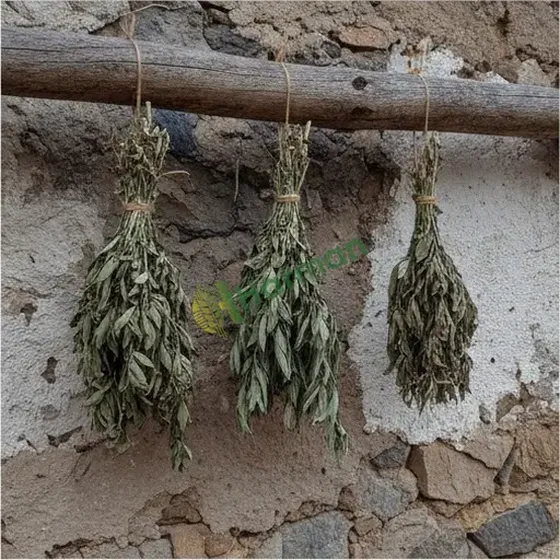
Nutritional profile
According to USDA FoodData Central, fresh sage is low in calories and contains small amounts of fiber, vitamin K, and minerals such as calcium and iron. Because sage is typically used sparingly as a seasoning, the amount consumed in one serving is small.
In the kitchen
Sage can be chopped into stuffing, added to sausage mixtures, fried crisp as a garnish, or cooked gently in butter for pasta and gnocchi. It also works in roasted squash dishes, white beans, and poultry preparations.
Choosing & preparing
Pick leaves that look velvety, dry, and intact, with a strong clean aroma. Avoid slimy, blackened, or wilted leaves.
Flavor pairings
Sage pairs well with brown butter, squash, sweet potatoes, pork, chicken, sausage, white beans, onion, and Parmesan. It also matches apples, mushrooms, and cream sauces.
Tips
Use sage in measured amounts, since it can become overpowering. Fry whole leaves briefly in butter or oil for a crisp garnish with concentrated flavor.
General food-composition information based on USDA FoodData Central. This is not medical or dietary advice; for personal guidance, consult a registered dietitian or your doctor. Page updated Sep 19, 2026.