
Growing guide · Herb
How to Grow Sage
Days to maturity75 days
Spacing18 in
SeasonCool-season
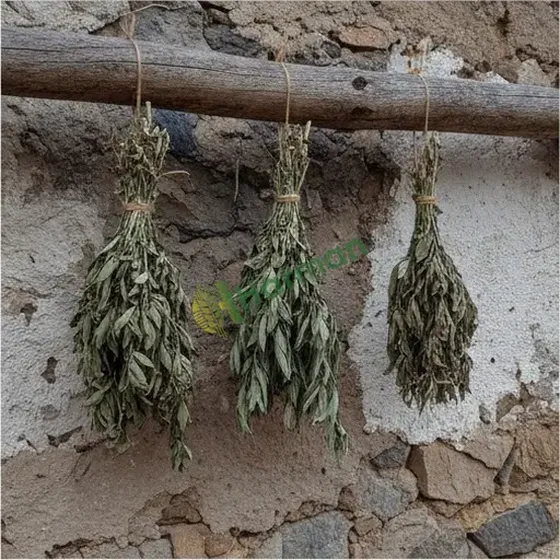
Sage (Salvia officinalis) is a woody-stemmed perennial herb in the mint family, prized for its soft gray-green leaves and warm, savory flavor. US home gardeners grow it as a long-lived kitchen herb for seasoning poultry, sausage, beans, and stuffing, and they also value its drought tolerance and the pollinator-friendly flowers it produces. In most of the country it survives winter as a hardy perennial, returning year after year from the same plant.
When and how to plant
Sage grows best in full sun, with at least six to eight hours of direct light, and in well-drained soil, since soggy roots are its main enemy. Most gardeners start with a nursery transplant or a rooted cutting because seed is slow and germinates unevenly, though seed can be sown indoors about six to eight weeks before the last spring frost and set out once the soil has warmed. Space plants about eighteen to twenty-four inches apart to allow good air movement, as a mature plant spreads into a small shrub. Because it is a perennial, choose a permanent spot rather than a rotated annual bed, and plant in spring so roots establish well before their first winter.
Care
Water new plants regularly during their first season to help them root, then cut back to occasional deep watering, since established sage prefers to dry out between waterings and dislikes constant moisture. Sage is not a heavy feeder, so rich soil or heavy feeding is unnecessary and can produce weak, floppy growth with less flavor; a modest topdressing of compost in spring is usually plenty. A light gravel or coarse mulch helps with drainage and weed control, but keep heavy organic mulch away from the crown to prevent rot. Each spring, prune out dead wood and lightly shape the plant to keep it bushy, and divide or replace older woody plants every three to five years as they become leggy.
Common problems
The most common problems come from too much moisture, which can lead to root rot and leaf diseases such as powdery mildew, so wide spacing, full sun, and good drainage are the best prevention. Occasional pests include spider mites, whiteflies, and spittlebugs, which are usually kept in check by healthy plants and a strong spray of water to dislodge them. In cold, wet regions, protect crowns with light winter cover and avoid heavy mulch piled against the stems, which invites rot.
Harvest
Begin harvesting lightly once the plant is well established, snipping sprigs as needed and taking a larger cut before the plant flowers, when the leaf flavor is strongest. Avoid stripping more than about a third of the plant at once, and stop heavy cutting in late summer so new growth can harden off before winter. Use leaves fresh, or dry them in a warm, airy spot and store the dried leaves in an airtight container away from light for use throughout the year.
Growing Sage in containers
Sage grows well in pots as long as its roots do not stay wet. Use a container at least 12 inches wide and deep with drainage holes and a coarse, well-drained potting mix. Water deeply, then let the top several inches dry before watering again, and fertilize lightly once in spring. Compact culinary sages are especially convenient for containers.
Watering & feeding Sage
Water new sage plants regularly until established, then supply about 0.5 to 1 inch weekly only during extended dry weather. Sage is drought tolerant and should not remain in wet soil. Water at the base with a deep soaking, then allow the soil to dry between applications. Morning watering and good drainage help prevent fungal trouble, while wilted, dry foliage points to drought and yellow, drooping stems often point to overwatering.
Sage is a light feeder that benefits from a small amount of compost incorporated before planting. It rarely needs supplemental fertilizer in reasonably fertile soil. Use a light compost top-dressing in spring if growth is weak or the soil is poor. Avoid routine high-nitrogen feeding and late-season feeding, which can produce tender growth. Plant sage in a raised area if your soil stays wet. Check container moisture below the surface instead of watering on a fixed schedule.
Saving Sage seeds
Open-pollinated sage can produce usable saved seed, while F1 hybrids do not come true and cuttings best preserve named selections. Allow spent flower spikes to dry brown, cut them before seeds drop, and thresh out the small dark seeds. Dry them fully and store cool, dark, and dry for about 2 to 3 years.
Sage companion plants
Good companions for sage include rosemary, thyme, oregano, and lavender because they share full-sun and low-water growing conditions. Sage flowers support pollinators and beneficial insects, and the plant works well along a dry bed border. Avoid planting sage in the same bed as moisture-loving, heavily fertilized crops such as basil, lettuce, or parsley, because the different water needs can lead to poor growth and root disease.
When to plant Sage near you
Get the exact start-indoors, transplant, and fall planting dates for Sage at your location.
Frequently asked questions about Sage
When should I plant Sage?
Plant Sage in spring after the last frost, once soil has warmed and nighttime temperatures stay reliably above freezing. In warmer regions (roughly USDA zones 8 and up) you can also plant in early fall, since Sage is a hardy perennial in most of the country.
How much sun does Sage need?
Sage grows best in full sun, meaning at least 6 to 8 hours of direct light per day. In hot southern climates it tolerates a little afternoon shade, but too much shade leads to leggy, weak growth and reduced flavor.
How long does Sage take to grow?
From seed, Sage is slow to establish and usually takes about 2 to 3 months before you can begin light harvesting. Plants started from nursery transplants can be lightly harvested within a few weeks, and they reach full size in their second season.
How far apart should I space Sage plants?
Space Sage plants about 18 to 24 inches apart, since a mature plant can spread into a wide, shrubby mound. Good spacing keeps air moving between plants, which helps prevent the mildew and rot that Sage is prone to.
Can I grow Sage in a container?
Yes, Sage does very well in pots, which is handy if you have heavy or poorly draining garden soil. Use a container at least 8 to 12 inches wide with drainage holes and a well draining potting mix, and let the top of the soil dry out between waterings.
How do I know when Sage is ready to harvest?
You can start snipping leaves once the plant is well established and has plenty of healthy foliage, usually a few inches of growth to spare. Harvest in the morning after the dew dries, take no more than about a third of the plant at a time, and pick before it flowers for the most flavorful leaves.
General guidance for US home gardens. Reference figures are typical values; your exact timing depends on your local frost dates and variety. Page updated Sep 19, 2026.