
Luffa Gourd Nutrition & Uses
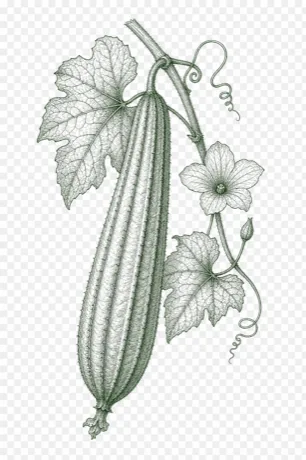
Only young, tender luffa is eaten, and it is treated in the kitchen as a mild summer vegetable rather than a strong flavor.
Nutritional profile
According to USDA FoodData Central, cooked luffa gourd is low in calories and very high in water, which gives it its light, juicy texture. It supplies some dietary fiber and contains vitamin C along with certain B vitamins such as folate, plus small amounts of minerals including potassium and manganese. As with most vegetables of this kind, the exact figures vary with variety and preparation.
In the kitchen
Peel the ridged skin and slice the young gourd, then cook it much as you would zucchini or okra. It shines in stir-fries, brothy Asian-style soups, curries, and simple sautes with garlic, and it soaks up the flavors of whatever it is cooked with. Cook it just until tender, since it turns soft quickly and can go mushy if overcooked.
Choosing & preparing
Choose young fruits that are firm, bright green, and heavy for their size, ideally under about 7 inches long. Pass over any gourd that feels light, spongy, or has begun to yellow, since that signals tough interior fibers that are no longer good for eating.
Flavor pairings
Luffa pairs naturally with garlic, ginger, scallions, chilies, and soy or fish sauce in stir-fries, and it works well alongside eggs, shrimp, tofu, and other summer vegetables. Its mild taste also blends easily into tomato-based dishes and coconut curries.
Tips
Peel and cook luffa soon after cutting, because the flesh oxidizes and darkens when exposed to air. A quick salt and rinse before cooking helps draw out excess moisture so it stays firm in the pan.
General food-composition information based on USDA FoodData Central. This is not medical or dietary advice; for personal guidance, consult a registered dietitian or your doctor. Page updated Sep 18, 2026.