
Growing guide · Vegetable
How to Grow Luffa Gourd
Days to maturity150 days
Spacing18 in
SeasonWarm-season
Start indoors6 wk pre-frost
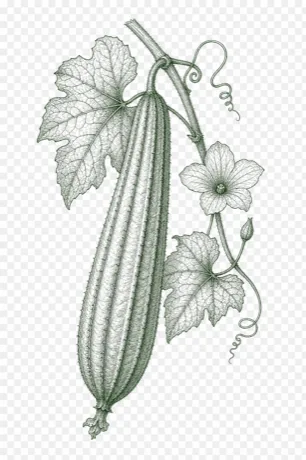
Luffa is a vigorous, long-season climbing gourd that US gardeners grow for two payoffs from a single vine. Picked young and tender, it cooks up much like zucchini, and left on the vine to mature it dries into the fibrous scrubbing sponge sold in stores. Peel back the papery brown skin of a fully dried gourd and you reveal the honeycomb network of natural fiber inside, all grown in your own backyard.
When and how to plant
Luffa is a warm-season, frost-tender crop that needs a long, hot growing season, so most US gardeners north of the Deep South start seeds indoors about 6 weeks before the last spring frost. Soak the hard seeds overnight to speed germination and transplant seedlings out only after all danger of frost has passed and the soil has warmed, usually a week or two after the last frost date. Direct sowing works in the long-season South. Give luffa full sun and rich, well-drained soil with plenty of organic matter.
Care
Water deeply and consistently, aiming for about an inch or more per week, since these vines are thirsty and can grow 15 to 30 feet long. Feed with a balanced fertilizer or compost early on, easing off heavy nitrogen once flowering begins so the plant sets fruit rather than only leaves. A sturdy trellis, arbor, or fence is essential to keep the long, heavy gourds straight and off the ground. Space plants roughly 18 inches apart in the row with plenty of vertical room to climb.
Common problems
Cucumber beetles, squash bugs, aphids, and spider mites are the most common pests, and powdery mildew or downy mildew can appear on the leaves in humid weather. Floating row covers protect young transplants early, but remove them once flowers open so bees can pollinate. Water at the base rather than overhead, space for good air circulation, and rotate cucurbits to a new bed each year to reduce disease pressure.
Harvest
For eating, pick the fruits young while they are still firm, green, and only about 4 to 7 inches long, before the interior fibers toughen. For sponges, leave the gourds on the vine until the season winds down and the skin turns brown or tan, the gourd feels light, and the seeds rattle inside. Cut fruits from the vine with pruners, leaving a short stub of stem attached.
Growing Luffa Gourd in containers
Luffa can be grown in containers, but it is a large, long-season vine and is challenging in short-summer regions. Give one plant a 20-gallon container at least 18 inches deep, excellent drainage, rich potting mix, and a very strong tall trellis. Water deeply whenever the top inch of mix dries, and feed regularly with a vegetable fertilizer once growth accelerates and flowering begins. Choose early-maturing luffa varieties and place the pot in full sun.
Watering & feeding Luffa Gourd
Provide about 1 to 2 inches of water per week, with the higher end often needed during hot weather and fruit development. Luffa is thirsty in active growth and should not be allowed to cycle between drought and saturation. Water deeply at the base in the morning, keeping leaves as dry as practical and using mulch to stabilize soil moisture. Containers dry faster than garden beds, and wilting with dry soil indicates thirst while yellowing foliage and soggy soil suggest too much water.
Luffa is a heavy feeder that benefits from a deep layer of finished compost and fertile, well-drained soil before planting. It needs balanced nutrients, with potassium becoming particularly important for flowering and fruit development. Feed at planting, then side-dress with compost or a balanced vegetable fertilizer after vines begin running and again as fruit sets if soil fertility is limited. Do not keep pushing high nitrogen after flowering starts, because it can favor vines and leaves over gourds. Use a trellis so fruits stay cleaner and the root zone remains easier to water. Keep moisture especially even from flowering through fruit enlargement to reduce stress and poor fruit set.
Saving Luffa Gourd seeds
Save seed only from open-pollinated or heirloom luffa, since F1 hybrid seed will not reproduce the same plant. Leave a healthy, fully mature fruit on the vine until its skin browns and dries, then break it open and remove the black seeds. Rinse off any clinging pulp if needed and dry seeds in a single layer for one to two weeks. Store them cool and dry, where they usually remain viable for about 4 to 6 years.
Luffa Gourd companion plants
Grow luffa on a strong trellis with bush beans or low lettuce and radishes at the bed edge, so the luffa uses vertical space and the smaller crops use the ground early in the season. Borage or other nearby flowers can increase pollinator activity, which is useful because luffa needs insect pollination for fruit set. Beans are compatible for space use, though their nitrogen benefit is mainly retained in their own roots until plant material decomposes. Avoid planting luffa tightly with squash, cucumbers, melons, or pumpkins, because these cucurbits compete heavily and share pests and diseases such as cucumber beetles, squash bugs, and powdery mildew.
When to plant Luffa Gourd near you
Get the exact start-indoors, transplant, and fall planting dates for Luffa Gourd at your location.
Frequently asked questions about Luffa Gourd
When should I plant Luffa Gourd in the US?
Luffa needs a long, warm growing season, so start seeds indoors about 4 to 6 weeks before your last frost and transplant only after the soil has warmed and all danger of frost has passed. In cooler northern zones, starting indoors is essential to give the vines enough time to mature.
How long does Luffa Gourd take to grow?
Luffa is a long-season crop that typically takes around 90 to 120 days or more from transplant to mature, harvestable gourds. Gardeners in short-season regions should choose the earliest planting window and provide plenty of warmth to reach a full harvest before frost.
How much sun does Luffa Gourd need?
Luffa grows best in full sun, meaning at least 6 to 8 hours of direct light per day. More sun and heat generally lead to stronger vines and better fruit set, so pick your sunniest spot.
How far apart should I space Luffa Gourd plants?
Space luffa plants roughly 1.5 to 2 feet apart along a sturdy trellis or fence, since the vigorous vines can climb many feet and need vertical support. Growing them up a trellis keeps the gourds straight, improves airflow, and saves ground space.
Can I grow Luffa Gourd in containers?
Yes, luffa can grow in a large container of at least 5 gallons or more with a trellis for the vines to climb. Container plants dry out faster and have limited root room, so consistent watering and feeding are important for a good harvest.
How do I know when to harvest Luffa Gourd for sponges?
For sponges, leave the gourds on the vine until they turn brown, feel light and dry, and the skin loosens or rattles with loose seeds inside. Then peel off the skin, shake out the seeds, and rinse and dry the fibrous interior. For eating, pick them young and tender at around 4 to 6 inches while still green.
General guidance for US home gardens. Reference figures are typical values; your exact timing depends on your local frost dates and variety. Page updated Sep 18, 2026.