
Lemongrass Nutrition & Uses
Lemongrass is used as an aromatic flavoring rather than a bulk vegetable, so it is added in small amounts and contributes mainly taste and fragrance to a dish. The notes below describe its general composition only, drawn from USDA FoodData Central. Because a typical serving is small, its contribution to overall daily intake is modest.
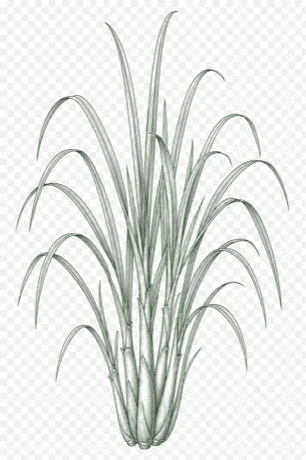
Nutritional profile
According to USDA FoodData Central, raw lemongrass provides roughly 99 calories per 100 grams and is about 70 percent water. It contains small amounts of vitamin C, folate, and niacin, along with minerals such as manganese, iron, potassium, magnesium, and calcium. Since lemongrass is used as a seasoning in small quantities, a cooking portion adds only a little of these to a meal.
In the kitchen
To cook with lemongrass, trim off the grassy top and the root end, peel away the dry outer layers, and use the pale, tender lower stalk. Slice or mince it finely for curries, stir-fries, and marinades, or bruise a whole stalk with the back of a knife and simmer it in soups and broths, then remove it before serving. Classic uses include Thai tom yum and tom kha soups, Vietnamese lemongrass chicken and grilled pork, Indonesian and Malaysian curries, and simple lemongrass tea. It also brightens coconut-based sauces, seafood, and poaching liquids.
Choosing & preparing
Choose stalks that are firm and heavy for their size, with a plump, pale bulbous base and no shriveling. The lower portion should feel solid rather than dry or spongy, and fresh green tops are a good sign of recent harvest. Avoid stalks that are limp, browned, or cracked.
Flavor pairings
Lemongrass pairs naturally with ginger, garlic, shallots, chilies, and galangal, and it loves the richness of coconut milk. It works well with lime, cilantro, basil, and fish sauce in Southeast Asian dishes. For proteins, it complements chicken, shrimp, fish, and pork especially well.
Tips
Only the tender lower few inches are soft enough to eat minced, so use the fibrous upper stalk for infusing and then discard it. Bruising or lightly crushing the stalk before cooking helps release its citrus aroma. Freeze extra sliced stalk in small portions so you always have some ready for soups and curries.
General food-composition information based on USDA FoodData Central. This is not medical or dietary advice; for personal guidance, consult a registered dietitian or your doctor. Page updated Sep 19, 2026.