
Growing guide · Herb
How to Grow Lemongrass
Days to maturity90 days
Spacing24 in
SeasonWarm-season
Start indoors8 wk pre-frost
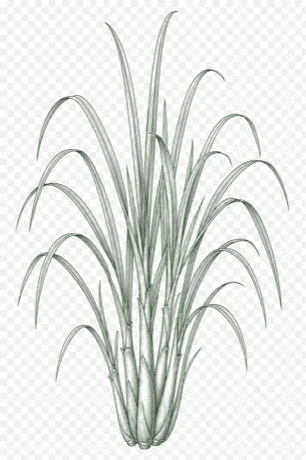
Lemongrass is a tender tropical grass that US gardeners grow for the bright, citrusy stalks and blades used in Thai, Vietnamese, and Indonesian cooking. Brush a hand across the tall arching leaves and they release a clean lemon scent that lingers on your fingers. The prized part is the pale, slightly swollen base of each stalk, which is sliced or bruised for curries, soups, and teas. In most of the country it is grown as a fast summer clump that can be lifted and brought indoors before winter.
When and how to plant
Lemongrass is a warm-season plant that is killed by frost, so set it out only after all danger of frost has passed and the soil has warmed, usually a couple of weeks after your last spring frost. Most gardeners plant nursery transplants, divisions from an existing clump, or rooted grocery stalks rather than starting from the slow, fussy seed, though seed can be started indoors about eight weeks ahead. Choose a spot in full sun, which means at least six to eight hours of direct light each day. Give it rich, moist but well-drained soil with plenty of organic matter, since lemongrass grows fast and appreciates fertility.
Care
Keep the soil consistently moist, watering deeply during hot, dry spells so the clump never wilts. Lemongrass is a hungry grass, so feed it with a balanced or nitrogen-forward fertilizer through the growing season, or side-dress with compost. Space plants about 24 inches apart, or 24 to 36 inches for large clumps, because a single plant can spread into a wide fountain of leaves. No staking is needed, and gardeners in cold zones often grow it in a large pot so it can be moved to a bright indoor spot before frost.
Common problems
Lemongrass is generally tough and pest-resistant, which is one reason gardeners like it, but a few issues show up. Outdoors it can get rust or leaf-spot fungi in humid weather, so give plants good air circulation and water at the base rather than overhead. Indoors and in dry conditions, spider mites and aphids may gather on the leaves, and rinsing the foliage or using insecticidal soap keeps them in check. Removing old, browned leaves and avoiding soggy soil prevents most trouble.
Harvest
Begin harvesting once stalks are about the thickness of a pencil to half an inch and the base feels firm and swollen, usually within a few months of planting. To pick, grasp an outer stalk near the ground and cut it at the base with a knife or twist and pull it free, taking the oldest, thickest stalks first. Trim off the grassy tops and peel away any tough or dry outer layers to reach the tender core used in cooking. You can keep cutting from an established clump all summer and into fall until frost threatens.
Growing Lemongrass in containers
Lemongrass is an excellent container plant and is especially useful where winter frost would kill it. Use a 5-gallon pot at least 12 inches deep for one clump, with drainage holes and fertile, well-drained potting mix. Keep it evenly moist during warm weather and feed monthly with a balanced fertilizer. Bring the pot indoors before frost in cold climates, placing it in the brightest available location.
Watering & feeding Lemongrass
Provide roughly 1 inch of water per week, increasing toward 1.5 inches in sustained heat or for container plants. Lemongrass is moderately thirsty and will grow poorly if repeatedly allowed to dry out completely. Water deeply at the base when the top inch or so of soil begins to dry, rather than giving frequent light sprinklings. Water in the morning, mulch in ground beds, and check containers often because they dry quickly; curled, drooping leaves suggest dryness, while yellowing and soft growth in wet soil suggest excess water.
Lemongrass is a moderate feeder that responds well to compost-rich soil and modest nitrogen during active leaf growth. Prepare beds with compost and ensure drainage, since rich but waterlogged soil causes problems. Mix compost into the planting area, then feed lightly every four to six weeks during summer if plants are growing in average soil or containers. Stop heavy feeding as temperatures cool, and do not overapply nitrogen, which can encourage soft growth. Use a pot with drainage holes if growing lemongrass in a container. In dry spells, soak the root area thoroughly instead of watering only the foliage.
Saving Lemongrass seeds
Lemongrass is most reliably propagated by dividing rooted clumps, and seed saving is uncommon, especially for the culinary West Indian lemongrass sold in US gardens. If an open-pollinated plant flowers and produces mature seed, collect the dry, brown seed heads, thresh out the seed, and dry it further indoors, F1 seed would not come true. Store seed cool and dry, but sow it promptly because viability is often short, commonly around 1 to 2 years.
Lemongrass companion plants
Grow lemongrass beside sun-loving crops such as peppers, eggplants, basil, and marigolds, leaving enough room for its dense clump to mature. It provides a vertical, grassy texture and can serve as a light windbreak, while flowering companion plants nearby support beneficial insects. Evidence that lemongrass reliably repels pests in a home garden is limited, so do not depend on it for pest control. Avoid placing it close to small, moisture-sensitive seedlings or other dense clumping grasses, because its roots and expanding foliage compete for water, nutrients, and light.
When to plant Lemongrass near you
Get the exact start-indoors, transplant, and fall planting dates for Lemongrass at your location.
Frequently asked questions about Lemongrass
When should I plant Lemongrass?
Lemongrass is a warm-season tropical grass that needs heat, so plant it outdoors in late spring after your last frost date once soil and nights have warmed and stay above about 50 degrees F. In most US regions it is grown as an annual or brought indoors for winter, since it is only reliably hardy in USDA zones 9 and warmer.
How long does Lemongrass take to grow before I can harvest?
From a small starter plant or division, Lemongrass usually forms harvestable stalks within roughly 3 to 4 months of active warm-weather growth. A single plant bushes out quickly over a season and can produce many stalks by late summer.
How much sun does Lemongrass need?
Give Lemongrass full sun, meaning at least 6 to 8 hours of direct light per day, for the fullest, most vigorous growth. In hot southern climates it tolerates a little afternoon shade, but too much shade leaves plants thin and floppy.
How far apart should I space Lemongrass plants?
Space Lemongrass clumps about 2 to 3 feet apart, since a healthy plant can spread into a wide grassy mound roughly 2 to 4 feet across in one season. Giving it room improves airflow and makes harvesting individual stalks easier.
Can I grow Lemongrass in a container?
Yes, Lemongrass grows very well in a large pot, which also makes it easy to move indoors before frost in colder US zones. Use a container at least 12 to 16 inches wide with drainage holes, a rich potting mix, full sun, and regular watering, since potted plants dry out faster.
How do I know when Lemongrass is ready to harvest?
Harvest Lemongrass once the stalks are about as thick as a pencil or thicker and roughly a foot or more tall, usually by mid to late summer. Cut or twist off outer stalks at the base, using the tender swollen white lower portion, and leave the center intact so the plant keeps producing.
What are common problems when growing Lemongrass?
Lemongrass is fairly trouble-free, but common issues include yellowing or browning leaf tips from underwatering or cold exposure, and root rot in soggy, poorly drained soil. Occasional pests like aphids, spider mites, or rust spots can appear, so keep good airflow and avoid letting the plant sit in standing water.
General guidance for US home gardens. Reference figures are typical values; your exact timing depends on your local frost dates and variety. Page updated Sep 18, 2026.