
How to Start Lemongrass From Seed
Lemongrass needs warmth and a long growing season, making indoor seed starting useful for many US gardens. Seed-grown plants may vary somewhat, but they still produce fragrant clumps.
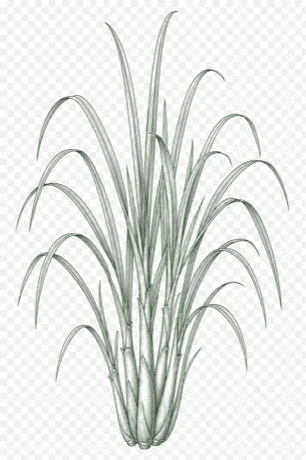
Start indoors or direct sow?
Start indoors and transplant after warm weather arrives. Do not direct sow outdoors until conditions are reliably hot, because cool soil greatly slows germination and early growth.
When to start Lemongrass seeds
Start seeds indoors about 8 to 10 weeks before the average last spring frost. Transplant only after frost risk is gone and nighttime temperatures are consistently above about 50 F.
How to sow the seeds
Sow seeds very shallowly, about 1/8 inch deep or just covered, in a moist sterile seed-starting mix. Use small cells or 2- to 3-inch pots, with bottom heat if your indoor space is cool.
Germination
Seeds usually germinate in roughly 7 to 21 days. A warm medium, about 70 to 80 F, and steady light moisture support the best emergence.
Seedling care
After sprouting, provide bright light for 14 to 16 hours a day and water when the mix surface starts to dry. Use clean containers, good airflow, and careful watering to prevent damping off, then pot seedlings up if roots fill their cells.
Transplanting & hardening off
Harden seedlings off for 7 to 10 days, then transplant into full sun after the weather is warm. Set plants at the same depth and space them about 18 to 24 inches apart, watering thoroughly after planting.
Tips
Lemongrass grows slowly at first, so do not judge young plants too early. Bring a potted plant indoors before frost if you want to keep it for another season.
General seed-starting guidance for US home gardens; timing depends on your local frost dates and variety. Page updated Sep 18, 2026.