
Lemon Balm Nutrition & Uses
Lemon balm is used as a fresh or dried herb in small amounts, so it is valued far more for its bright lemony aroma than as a significant source of calories or nutrients. The notes below describe its general composition rather than any effect on the body.
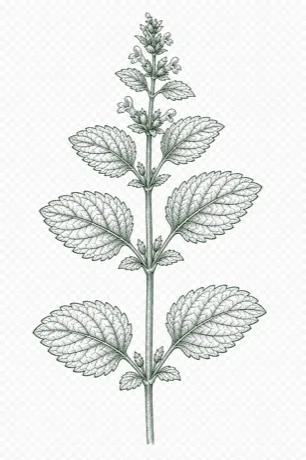
Nutritional profile
According to USDA FoodData Central, fresh culinary herbs like lemon balm are very low in calories and made up largely of water, with small amounts of dietary fiber and naturally occurring plant compounds. General herb composition data list herbs as containing vitamins such as vitamin A and vitamin C along with minerals in trace amounts. Because lemon balm is typically used by the sprig or teaspoon, the amounts contributed to a dish are very small.
In the kitchen
Lemon balm has a soft lemon flavor with a faint minty edge, and it is used raw far more often than cooked because heat dulls its aroma. Tear fresh leaves into green salads and fruit salads, stir them into softened butter, or steep them for hot or iced herbal tea. It also brightens cold summer drinks, pairs with berries in desserts, and can be chopped over grilled fish or chicken just before serving.
Choosing & preparing
Choose sprigs with perky, bright green leaves and a clean lemon scent when brushed. Avoid bunches that look wilted, yellowed, blackened, or slimy, and skip any showing gray, powdery patches on the leaves.
Flavor pairings
Lemon balm pairs naturally with berries, peaches, and melon, and it complements mint, basil, and other soft herbs. It works well with honey, yogurt, white fish, and poultry, and it is a friendly partner for sparkling water, lemonade, and light summer cocktails.
Tips
Add lemon balm at the end of cooking or use it raw to keep its fragrance. Bruise the leaves gently before steeping to release more aroma, and use a little extra when cooking with dried leaves since drying softens the lemon note.
General food-composition information based on USDA FoodData Central. This is not medical or dietary advice; for personal guidance, consult a registered dietitian or your doctor. Page updated Sep 19, 2026.