
When & How to Harvest Lemon Balm
Harvesting lemon balm is simple and generous, since the plant responds to cutting with fresh new growth. The main goal is to pick the leaves while they are most fragrant and to keep the plant producing all season.
How to tell it is ready
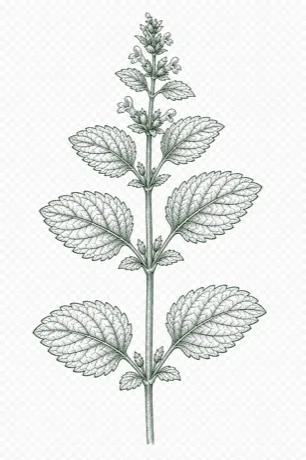
Lemon balm is ready to harvest once the plant is established and roughly a foot tall, with plenty of full sized green leaves. The leaves are at their most aromatic just before the plant flowers, so watch for flower buds as a signal to pick generously. A quick brush of a leaf that releases a strong lemon scent is the surest sign it is ready.
How to harvest
Use clean scissors or pruners, or simply pinch off sprigs with your fingers. For a light pick, take individual leaves or short tips; for a larger harvest, cut whole stems back by up to a third, which encourages branching. Cut just above a pair of leaves so the plant regrows neatly.
Timing
Harvest in the morning after the dew has dried but before the midday heat, when the aromatic oils are strongest. You can make several passes through the growing season, typically starting a few weeks after planting and continuing until frost, with the first substantial harvest usually around 60 to 70 days from transplanting. A hard shearing after flowering resets the plant for a fresh flush of tender leaves.
After the harvest
Handle the leaves gently, since they bruise and brown easily. If needed, rinse sprigs in cool water and shake or pat them dry, then use them promptly or move straight into refrigerating, drying, or freezing. Keeping cut sprigs cool and out of direct sun until you process them preserves the best color and scent.
Tips
Harvest often to keep the plant bushy and to delay flowering, which prolongs the tender leaf season. Cut lemon balm just before you plan to use it for the freshest flavor, and take a final generous cutting to dry or freeze before the first frost.
General guidance for US home gardens. Timing varies by variety and region; check your local frost dates. Page updated Sep 18, 2026.