
Growing guide · Herb
How to Grow Lemon Balm
Days to maturity70 days
Spacing18 in
SeasonCool-season
Start indoors6 wk pre-frost
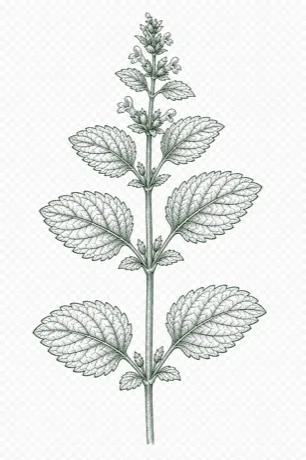
Lemon balm is a hardy, bushy perennial in the mint family that fills a corner of the garden with a bright, lemony scent the moment you brush a leaf. US gardeners grow it because it comes back year after year with almost no fuss, and a single plant supplies more fragrant leaves than most households can use. Bees and other pollinators cluster on its small white summer flowers, which is one reason its botanical name, Melissa, comes from the Greek word for honeybee.
When and how to plant
Plant lemon balm in spring around your last frost date once the soil has begun to warm, since it tolerates light frost but grows fastest in mild weather. Seeds are very small and slow, so most gardeners start them indoors about six weeks before the last frost or simply set out nursery transplants or divisions. Give it full sun in cooler regions and light afternoon shade in hot southern states, along with average, well drained soil. It is not fussy about fertility and adapts to most garden beds.
Care
Water regularly during the first season so plants establish, then only during dry spells once they are settled, since established clumps are fairly drought tolerant. Space plants about 18 to 24 inches apart for good airflow, and go easy on fertilizer because rich feeding produces lush but less aromatic leaves. Lemon balm needs no staking, but shearing the plant back by half after flowering keeps it tidy and encourages fresh growth. Because it self seeds and spreads by roots, many gardeners grow it in a container or a contained bed to keep it in bounds.
Common problems
Lemon balm is largely trouble free, though powdery mildew can coat leaves with a gray white film in humid weather or crowded plantings. Prevent it by spacing plants for airflow, watering at the base rather than overhead, and cutting the clump back if it gets dense and shaded. Aphids and spider mites occasionally appear and can usually be knocked off with a strong spray of water or managed with insecticidal soap. Good drainage prevents most root problems, since soggy soil is the main thing this herb dislikes.
Harvest
Begin picking leaves once the plant is well established and about a foot tall, usually a few weeks after planting. Harvest in the morning after the dew dries for the strongest scent, snipping sprigs or individual leaves as needed. Cut whole stems back by up to a third to encourage a flush of tender new growth, and harvest before flowering for the most fragrant leaves. You can take several cuttings through the season right up until frost.
Growing Lemon Balm in containers
Lemon balm is highly suited to containers, which also helps control its tendency to spread in garden beds. Use a 2 to 3-gallon pot at least 10 inches deep with drainage holes and standard well-drained potting mix. Water when the top inch of mix dries and feed lightly once in spring or with diluted fertilizer after heavy harvesting. Trim flowering stems and pinch tips regularly to encourage leafy, compact plants.
Watering & feeding Lemon Balm
Aim for about 1 inch of water per week during active growth, including rainfall, with more attention during hot, dry periods. Lemon balm has average water needs and is moderately drought tolerant after establishment. Water deeply when the top inch or two of soil is dry, rather than giving frequent shallow drinks. Water at the base in the morning and mulch around established plants to moderate soil moisture. Limp leaves and dry soil suggest underwatering, while yellow leaves, poor vigor, and soggy soil can point to overwatering.
Lemon balm is a light feeder and usually needs only compost-amended garden soil. A modest amount of nitrogen supports leafy growth, but heavy fertilizer is not needed. Good drainage matters more than rich feeding, particularly in winter-wet areas. Mix compost into the soil at planting and top-dress with compost in spring if plants need a boost. Established plants generally do not need repeated feeding through the season. Avoid high-nitrogen fertilizer, which can cause overly lush, less sturdy growth. Water new transplants regularly for their first several weeks, then let the soil dry slightly between waterings. Divide crowded clumps every few years and refresh the area with compost.
Saving Lemon Balm seeds
Lemon balm can be saved from seed, but seedlings may vary and named selections are more faithfully preserved by division or cuttings. F1 hybrids do not come true from seed, while open-pollinated plants can provide useful seed. Let the flower spikes dry and turn brown, cut them into a bag, then shake or rub out the tiny seeds and dry them for a week. Store seed cool and dry and expect roughly 2 to 3 years of viability.
Lemon Balm companion plants
Plant lemon balm near, but not inside, vegetable beds where its flowers can provide nectar for pollinators and beneficial insects. It works well at a bed edge near fruiting crops such as tomatoes, peppers, or cucurbits because it does not need to share their root space. Specific pest-deterrent companion effects are not well established, so use it for insect habitat rather than as a pest-control guarantee. Avoid planting it with other aggressive spreading herbs, especially mint, or close to small vegetables, because it can spread and compete for space.
When to plant Lemon Balm near you
Get the exact start-indoors, transplant, and fall planting dates for Lemon Balm at your location.
Frequently asked questions about Lemon Balm
When should I plant Lemon Balm?
In most US regions, plant Lemon Balm outdoors in spring after your last frost date, once the soil has warmed. You can also start seeds indoors 6 to 8 weeks earlier, or set out nursery transplants in early spring for a faster start.
How much sun does Lemon Balm need?
Lemon Balm grows best in full sun to partial shade, generally about 4 to 6 hours of direct sun per day. In hot Southern climates, some afternoon shade helps keep the leaves from scorching and the plant from wilting.
How long does Lemon Balm take to grow?
Seeds usually germinate in roughly 1 to 3 weeks, and plants are typically ready for a first light harvest within about 2 to 3 months. Lemon Balm is a hardy perennial in many US zones, so it returns and fills out more each year.
How far apart should I space Lemon Balm plants?
Space Lemon Balm plants about 18 to 24 inches apart, since a single plant can spread into a bushy clump 1 to 2 feet wide. Giving it room improves airflow and helps prevent mildew on crowded leaves.
Can I grow Lemon Balm in a container?
Yes, Lemon Balm does very well in containers, and a pot is a smart way to control its vigorous spreading roots and self-seeding. Use a container at least 8 to 12 inches wide with drainage holes, and keep the soil evenly moist since pots dry out faster than garden beds.
How do I know when to harvest Lemon Balm?
You can begin harvesting once the plant is established and has plenty of healthy leaves, usually a few weeks after planting. Snip leaves or stems in the morning after the dew dries, and harvest before the plant flowers for the most fragrant leaves; regular cutting also keeps it bushy.
What are common problems when growing Lemon Balm?
The most common issues are powdery mildew and leaf spots, which show up when plants are crowded or stay too wet, so space them well and water at the base. Lemon Balm can also spread aggressively by seed, so trim spent flowers if you want to keep it from taking over the bed.
General guidance for US home gardens. Reference figures are typical values; your exact timing depends on your local frost dates and variety. Page updated Sep 18, 2026.