
Endive Nutrition & Uses
Endive is a low-calorie leafy green valued for its crisp texture and gently bitter flavor. The composition figures below are general and are attributed to the USDA FoodData Central database for raw endive.
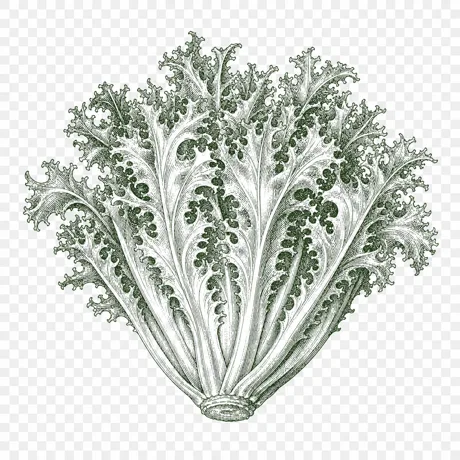
Nutritional profile
According to USDA FoodData Central, raw endive is very low in calories, at roughly 17 calories per 100 grams, and is about 94 percent water. It provides dietary fiber, around 3 grams per 100 grams, and contains vitamins including vitamin K, folate, and vitamin A (as provitamin A carotenoids), along with minerals such as potassium. These values are descriptive of general composition and vary with variety and growing conditions.
In the kitchen
Endive is eaten both raw and cooked, and its bitterness balances rich or sweet ingredients. Curly endive (frisee) is a classic base for salade Lyonnaise, tossed with a warm bacon vinaigrette, croutons, and a poached egg, while broad-leaved escarole is often braised, wilted into soups such as Italian wedding soup, or simmered with white beans and garlic. It also takes well to grilling or a quick saute in olive oil, which softens the edge and brings out a nutty sweetness.
Choosing & preparing
Choose heads with crisp, fresh-looking leaves and a pale, tightly furled center, avoiding any that are wilted, slimy, or browning at the edges. Blanched inner leaves that are creamy yellow tend to be the mildest, while darker outer leaves are more assertively bitter.
Flavor pairings
Endive pairs naturally with bold, salty, and sweet partners such as bacon or pancetta, anchovy, garlic, blue cheese, Parmesan, walnuts, apples, pears, oranges, and a squeeze of lemon. A warm vinaigrette or a drizzle of good olive oil rounds out its bitterness.
Tips
To tame the bitterness, use the blanched inner hearts for salads and save the outer leaves for cooking, where heat softens the flavor. A brief soak in cold water can also crisp the leaves and mellow their edge before serving.
General food-composition information based on USDA FoodData Central. This is not medical or dietary advice; for personal guidance, consult a registered dietitian or your doctor. Page updated Sep 18, 2026.