
Growing guide · Vegetable
How to Grow Endive
Days to maturity90 days
Spacing10 in
SeasonCool-season
Start indoors5 wk pre-frost
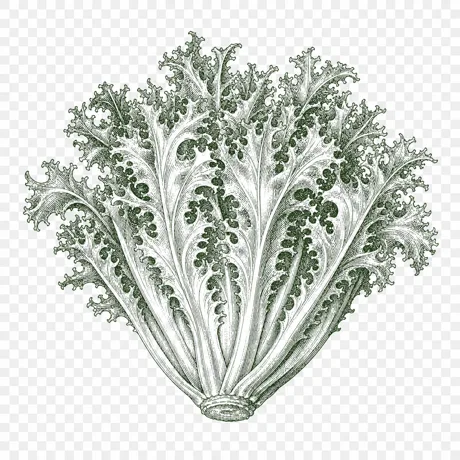
Endive is a cool-season chicory grown across the United States for its crisp, slightly bitter salad leaves, sold as frilly curly endive (frisee) or the broad-leaved type known as escarole. Gardeners like it because a light fall frost mellows the bitterness and sweetens the pale inner hearts, giving a green you cannot easily find fresh at most stores. Blanching the plant, by drawing the outer leaves up over the center, turns those hearts a tender creamy yellow. It fills the salad bowl in the cool weeks when lettuce is finished, and a single head can be surprisingly large, spreading a foot or more across.
When and how to plant
Grow endive as a cool-season crop in early spring and again in late summer for fall, since summer heat turns it bitter and pushes it to bolt. It tolerates light frost, so set transplants out about two to three weeks before the last spring frost, or direct sow once the soil can be worked. Start seeds indoors roughly five weeks ahead for an earlier crop, or sow seed shallowly right in the bed and thin the seedlings. Give it full sun in spring and fall (a little afternoon shade helps in warm regions), and plant in loose, fertile, well-drained soil rich in organic matter, with a pH near 5.5 to 7.0.
Care
Keep the soil evenly moist, as steady water produces mild, tender leaves while drought stress makes them tough and bitter. Feed with a balanced or nitrogen-forward fertilizer or side-dress with compost a few weeks after planting to keep growth quick and continuous. Space plants about 8 to 12 inches apart so heads can fill out and air can move between them. To blanch the hearts, gather the outer leaves and tie them loosely over the center with soft twine for a week or two before harvest, choosing a dry day so trapped moisture does not cause rot.
Common problems
Aphids, slugs, snails, leaf miners, and tarnished plant bugs are the usual pests, while cool damp conditions can bring downy mildew, bottom rot, and sclerotinia. Space plants for good airflow, water at the base rather than overhead, and rotate away from other lettuce and chicory family crops each season. Floating row cover excludes many insects, and hand-picking slugs or setting simple traps keeps their numbers down. Remove spotted or rotting leaves promptly and clear plant debris at season's end to reduce carryover problems.
Harvest
Harvest when the plant has reached full size and formed a broad, leafy head, usually about 85 to 100 days from seed, and after any blanching period you chose. Cut the whole head at the base with a knife just above the soil line, ideally in the cool of the morning. You can also pick a few outer leaves at a time from the edge and let the center keep growing for a cut-and-come-again supply. In fall, wait until after a light frost for the sweetest, mildest flavor, but bring heads in before a hard freeze.
Growing Endive in containers
Endive is well suited to containers in cool seasons, including both curly endive and escarole. Use a container at least 8 to 10 inches deep with drainage holes, fertile potting mix, and enough width for plants to be spaced 8 to 12 inches apart. Keep the soil evenly moist, fertilize lightly after plants establish, and choose loose-leaf or compact escarole varieties for easy pot culture.
Watering & feeding Endive
Provide about 1 to 1.5 inches of water weekly from rainfall and irrigation. Endive has average water needs, but dry conditions can make leaves tougher and more bitter. Apply water slowly at the base so moisture reaches the root zone, and mulch to reduce swings between wet and dry soil. Water in the morning, check containers often because they dry quickly, and look for wilted, bitter leaves from drought or yellow, soft foliage from overly wet soil.
Endive is a moderate feeder and benefits from compost mixed into the planting area before sowing or transplanting. It needs enough nitrogen for leafy growth along with balanced phosphorus and potassium for healthy roots and overall vigor. Feed at planting with compost or a balanced fertilizer, then give a light side-dressing midway through growth if plants are pale or slow. Avoid excessive nitrogen shortly before harvest, which can produce overly soft growth. Maintain even moisture rather than allowing repeated drying and soaking cycles. If blanching endive, keep the root zone watered while keeping the blanched center as dry as possible.
Saving Endive seeds
Endive seed comes true from open-pollinated or heirloom plants, but F1 hybrids do not come true and flowering plants can cross with related chicories. Endive is generally biennial, so let selected plants overwinter and produce flower stalks the following season. When the seed heads turn brown and dry, cut them before seed scatters, finish drying under cover, then rub and clean the seeds. Endive seed usually stores well for about 5 to 6 years in cool, dry conditions.
Endive companion plants
Endive works well with radishes, green onions, and small flowering plants such as sweet alyssum, which use space differently and support beneficial insects. In hot regions, a taller crop on the west side can provide modest afternoon shade and help keep leaves less stressed. Specific endive pairings are less established, so avoid crowding it with other dense leafy greens or chicories that compete for water and reduce airflow, which favors foliar disease.
When to plant Endive near you
Get the exact start-indoors, transplant, and fall planting dates for Endive at your location.
Frequently asked questions about Endive
When should I plant Endive in my garden?
Endive is a cool-season crop, so plant it in early spring a few weeks before your last frost, or in mid to late summer for a fall harvest. In most US regions the fall planting produces the best quality, since cool weather reduces bitterness and helps the leaves stay tender.
How long does Endive take to grow?
Most Endive varieties are ready to harvest in about 85 to 100 days from seed, though you can start picking outer leaves earlier once plants are well established. Frisee and other cut-and-come-again types can be harvested a bit sooner as baby greens.
How much sun does Endive need?
Endive grows best in full sun, meaning at least 6 hours of direct light per day. In warmer southern climates, a spot with afternoon shade helps keep plants from bolting and turning overly bitter during heat.
How far apart should I space Endive plants?
Space Endive plants roughly 8 to 12 inches apart in rows about 12 to 18 inches apart, since the rosettes spread out as they mature. Good spacing improves air circulation, which helps prevent rot and disease in the dense center of the plant.
Can I grow Endive in containers?
Yes, Endive does well in containers that are at least 8 to 10 inches deep with drainage holes, using one plant per pot or a couple of plants in a larger window box. Containers make it easy to move plants to cooler, shadier spots during summer heat and to keep the soil consistently moist.
How do I know when Endive is ready to harvest?
Harvest Endive when the plants form a full, sturdy rosette and the leaves reach a usable size, typically before hot weather causes them to bolt. Many gardeners blanch the centers by tying up the outer leaves for a week or two before harvest, which lightens the inner leaves and mellows the bitter flavor.
General guidance for US home gardens. Reference figures are typical values; your exact timing depends on your local frost dates and variety. Page updated Sep 18, 2026.