
Cardoon Nutrition & Uses
Cardoon is eaten cooked, with the blanched leaf stalks trimmed and simmered before use. The notes below describe its general composition and typical kitchen uses only.
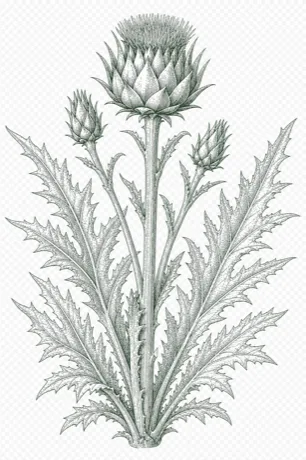
Nutritional profile
According to USDA FoodData Central, raw cardoon is low in calories and high in water content, and it provides dietary fiber. Its composition includes minerals such as sodium, potassium, calcium, and magnesium, along with some vitamin C and folate. Exact amounts vary with growing conditions and preparation.
In the kitchen
Cardoon is always cooked. Peel the strings from the outer ribs, cut the stalks into lengths, and simmer them in water with a little lemon juice until tender, then finish the dish. Classic preparations include a baked gratin with béchamel and Parmesan, ribs braised in butter or broth, pieces battered and fried, and raw thin sticks served with the warm garlic and anchovy dip bagna cauda. It also turns up in Italian holiday soups and Lyonnaise-style braises.
Choosing & preparing
Choose firm, crisp stalks that feel heavy for their size and show no wilting, sliminess, or dark bruising. Pale, well-blanched ribs are usually more tender and less bitter than fully green, sun-exposed ones.
Flavor pairings
Cardoon pairs well with butter, cream, and Parmesan, and with bold savory flavors like anchovy, garlic, and lemon. It works in gratins with béchamel, alongside braised meats, and folded into egg dishes.
Tips
Rub cut ends with lemon and hold prepped pieces in acidulated water to keep them from browning. Always pull off the fibrous outer strings, and wear gloves when trimming spiny varieties.
General food-composition information based on USDA FoodData Central. This is not medical or dietary advice; for personal guidance, consult a registered dietitian or your doctor. Page updated Sep 18, 2026.