
Cardoon Crop Rotation
Cardoon is a large, hungry plant that stays in the ground for a long season, so rotating it protects your soil from the diseases and pests that quietly build up when it or its relatives return to the same bed. Moving it around each year also gives the soil a chance to rebuild the nutrients this heavy feeder draws down.
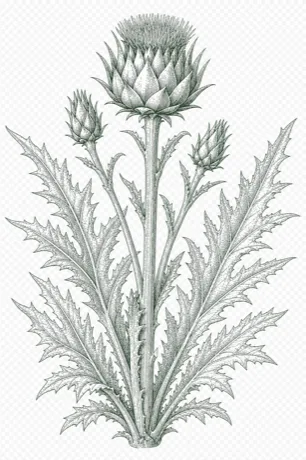
Plant family
Cardoon belongs to the aster family (Asteraceae), also called the sunflower or daisy family. Its close relatives that share many of the same pests and diseases include the globe artichoke (essentially the same species), lettuce, endive, chicory, sunflowers, and Jerusalem artichokes.
Why rotate cardoon
Growing cardoon or other aster-family crops in the same spot year after year lets soilborne troubles concentrate, especially Verticillium wilt and Sclerotinia white mold, both of which persist in the soil for years. Aphids, including the artichoke aphid, and root and crown rots also tend to carry over on plant debris in a repeatedly planted bed. On top of that, cardoon is a heavy feeder that pulls a lot of nitrogen and potassium from the soil, so continuous planting leaves the ground depleted.
What to plant after
Cardoon does well following legumes such as bush beans, peas, or a clover cover crop, because these fix nitrogen and leave the soil richer for a heavy feeder like cardoon. It also fits nicely after a grass or cereal cover crop like winter rye, which builds organic matter and shares none of cardoon's diseases. A well-composted bed that grew beans the prior year gives cardoon the fertile, loose soil it wants.
What to avoid
Avoid planting cardoon right before or after other aster-family crops such as globe artichoke, lettuce, endive, chicory, sunflowers, or Jerusalem artichokes, since they share Verticillium wilt, white mold, and aphids that will only intensify. It is also wise to keep cardoon out of beds that recently grew other Verticillium-prone crops like tomatoes or eggplant, because that fungus lingers and infects across families.
Example rotation
A simple four-year plan for one bed: Year 1, grow peas or bush beans to build nitrogen. Year 2, plant cardoon as your heavy feeder in that enriched soil. Year 3, follow with a root crop like carrots or beets. Year 4, grow onions or garlic, then return to legumes and repeat, which keeps cardoon four years apart from its own family.
Tips
Keep a simple garden map or notebook each season so you can see where the aster family has grown and wait at least three to four years before bringing cardoon or its relatives back to the same bed. Group your heavy feeders together in the rotation and sow a cover crop such as clover or winter rye in the off season to rebuild the nitrogen and organic matter cardoon uses up.
General guidance for US home gardens. Adapt to your own crops, soil, and space; your Cooperative Extension office can help with a plan for your area. Page updated Sep 18, 2026.