
Growing guide · Vegetable
How to Grow Cardoon
Days to maturity120 days
Spacing24 in
SeasonCool-season
Start indoors6 wk pre-frost
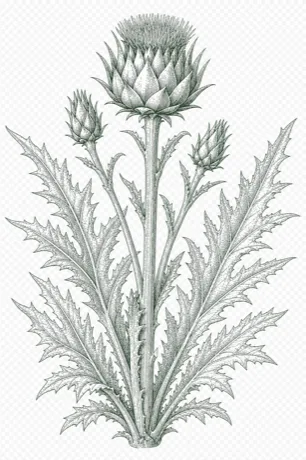
Cardoon is the celery-like cousin of the globe artichoke, grown for its thick, blanched leaf stalks rather than its buds. US gardeners love it as much for the table as for the drama it brings to a bed, since a single plant throws up a fountain of silvery, deeply cut leaves that can reach five to six feet and finish the season with electric purple thistle blooms. Cooked, the pale ribs taste like a gentle mix of artichoke and celery. It is a favorite in Italian American kitchens for gratins and the warm anchovy dip called bagna cauda.
When and how to plant
Cardoon is a cool-season, frost-tolerant perennial that most US gardeners grow as an annual because it needs a long season to size up. Start seeds indoors about six to eight weeks before your last spring frost, then set transplants out around the last frost date once hard freezes have passed. Give it full sun and deep, rich, well-drained soil generously amended with compost, aiming for a near-neutral pH around 6.5. Because the plants grow huge, space them widely and pick a spot where their size will not shade smaller crops.
Care
Water deeply and consistently, since steady moisture keeps the stalks crisp and tender rather than stringy and bitter. Feed at planting with compost and side-dress with a balanced fertilizer once or twice during the season to fuel the heavy leaf growth. Space plants roughly 18 to 24 inches apart in rows about three to four feet apart to allow air movement around the big rosettes. Three to four weeks before harvest, blanch the stalks by gathering the leaves upright, wrapping the lower plant in cardboard, newspaper, or burlap, and mounding soil around the base to shield the ribs from light.
Common problems
Aphids can cluster on new growth, and slugs or snails often hide inside the blanching wraps and chew the tender ribs. In humid regions powdery mildew may coat the leaves, and the artichoke plume moth occasionally bothers members of this family. Prevent trouble with wide spacing for airflow, by removing plant debris, handpicking slugs, and knocking aphids off with a strong spray of water; floating row cover over young plants helps too. Water at the base rather than overhead to keep foliage dry.
Harvest
Harvest in fall after the stalks have been blanched for a few weeks and before a hard freeze arrives, typically about 120 to 150 days from transplanting. Cut the whole plant at the soil line with a sturdy knife, or take the thick outer stalks and leave the center to keep growing. Trim off the spiny leaf blades and the tough leaf tips, keeping the pale, meaty ribs. Wear gloves, as some varieties carry small spines along the midribs.
Growing Cardoon in containers
Cardoon is generally a poor choice for containers because it becomes a very large, deep-rooted perennial with broad, spiny foliage. If grown in a pot, use at least a 25-gallon container that is 18 to 24 inches deep, with drainage holes and rich but free-draining mix. Water deeply when the top few inches dry and feed monthly during active growth. A large patio container in full sun can support one plant, but it will need substantial space and winter protection in cold climates.
Watering & feeding Cardoon
Give about 1 to 1.5 inches of water per week from rain and irrigation, more during hot, dry weather. It is an average-to-thirsty plant when actively growing, although established plants handle brief dry spells. Water deeply at the soil level so moisture reaches the broad root zone, then allow the surface to dry slightly between waterings. Mulch helps conserve moisture, and morning watering reduces leaf wetness; wilting and dry soil suggest drought stress, while persistently soggy soil or yellowing lower leaves can signal overwatering.
Cardoon is a moderate to heavy feeder, especially in less fertile garden soil. Work in compost or well-rotted organic matter before planting, and provide balanced nutrition with attention to nitrogen for leafy growth and potassium for overall vigor. Incorporate compost before planting and feed lightly after new growth begins in spring. Side-dress once or twice during the active growing season if growth is pale or slow, but avoid repeated high-nitrogen feeding late in the season. Space plants generously so irrigation reaches the root zone without constantly wetting crowded foliage. Keep mulch a few inches away from the crown to reduce rot risk.
Saving Cardoon seeds
Save seed only from open-pollinated or heirloom cardoon, since F1 hybrids do not come true from seed. Cardoon is usually a biennial, so let selected plants overwinter and form their thistle-like flower heads in the second year, then cut heads when they are dry and fluffy before seed blows away. Rub out the seeds, remove chaff, dry them thoroughly indoors, and store cool, dark, and dry for about 3 to 5 years.
Cardoon companion plants
Plant cardoon with low-growing annuals such as lettuce, spinach, or nasturti while it is young, using the open ground around its base before its large leaves fill the space. Its very large, thistle-like flowers can support pollinators if allowed to bloom, but cardoon is primarily a dramatic perennial vegetable rather than a strongly documented pest-deterrent companion. Keep it well away from artichokes and other large cardoon relatives, since they compete heavily for space and can share aphid and fungal-disease problems. Do not crowd it with other tall, vigorous perennials, because cardoon eventually shades nearby plants.
When to plant Cardoon near you
Get the exact start-indoors, transplant, and fall planting dates for Cardoon at your location.
Frequently asked questions about Cardoon
When should I plant Cardoon in my garden?
Cardoon needs a long season, so most US gardeners start seeds indoors about 6 to 8 weeks before the last spring frost and transplant seedlings outside once the danger of frost has passed and the soil has warmed. In mild-winter regions like the South and West Coast you can also direct sow in early spring.
How long does Cardoon take to grow?
Expect roughly 120 to 150 days from transplant to a harvestable plant, which usually means picking the leaf stalks in fall. Because it grows slowly and gets very large, cardoon is typically treated as a season-long crop rather than a quick vegetable.
How much sun does Cardoon need?
Cardoon does best in full sun, meaning at least 6 to 8 hours of direct light per day. In very hot Southern climates a little afternoon shade can help reduce heat stress, but too much shade leads to weak, leggy plants.
How far apart should I space Cardoon plants?
Cardoon grows into a big, spreading plant, so give each one plenty of room, generally about 18 to 36 inches apart with rows spaced 3 to 4 feet apart. Crowded plants compete for light and airflow, which makes the stalks thinner and harder to blanch.
Can I grow Cardoon in containers?
Yes, but choose a large pot, ideally 5 gallons or more, since cardoon develops a deep root system and a tall leafy top. Container plants dry out faster, so water consistently and feed regularly, and be ready to stake or shelter the plant in windy spots.
How do I know when Cardoon is ready to harvest?
Cardoon is grown for its tender leaf stalks, which are usually blanched by wrapping or mounding the stems for a few weeks before picking to reduce bitterness. Harvest in fall once the stalks are thick and full sized, and try to cut them before a hard freeze damages the plant.
General guidance for US home gardens. Reference figures are typical values; your exact timing depends on your local frost dates and variety. Page updated Sep 18, 2026.