
Broccoli Nutrition & Uses
Broccoli is a standard vegetable in American kitchens because it works in simple side dishes as well as casseroles, pasta, and stir-fries. It offers both tender florets and stems that can be cooked or eaten raw.
Nutritional profile
Broccoli is low in calories and high in water. USDA FoodData Central data show that it is a good source of vitamin C, vitamin K, and folate, and it also provides fiber and potassium. It is more nutrient-dense than many watery vegetables while still remaining fairly light in calories.
In the kitchen
Broccoli is steamed, roasted, sauteed, stir-fried, and added to soups, pasta, casseroles, and grain bowls. Raw florets are common on vegetable trays and in chopped salads. The stems can be peeled and sliced for slaw, stir-fries, or roasting.
Choosing & preparing
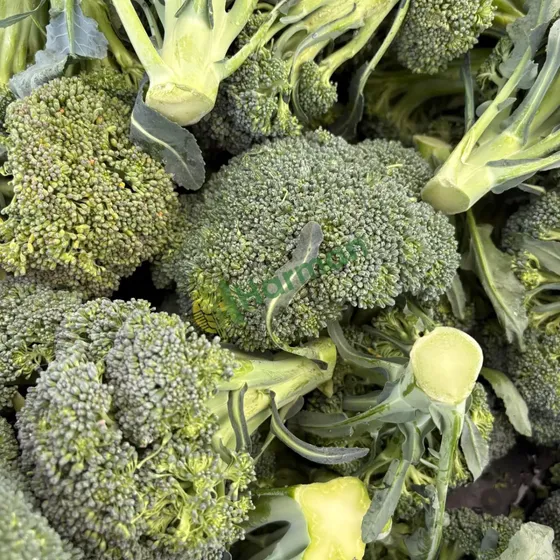
Choose broccoli with tight, dark green florets and firm stalks. Avoid heads with yellowing buds or a limp texture. Rinse well, and trim the dry end of the stem before cutting.
Flavor pairings
Broccoli pairs well with garlic, lemon, chili flakes, cheddar, Parmesan, sesame, soy sauce, butter, and almonds. It also works well with pasta, rice, and chicken.
Tips
Roasting creates deeper flavor and crisp edges, while steaming keeps the taste milder. Overcooking can make broccoli soft and dull in color. Use peeled stems instead of discarding them, since they are fully edible.
General food-composition information based on USDA FoodData Central. This is not medical or dietary advice; for personal guidance, consult a registered dietitian or your doctor. Page updated Sep 18, 2026.