
Broccoli Crop Rotation
Broccoli responds well to rotation because it is a heavy-feeding brassica with several important disease risks. Keeping it moving around the garden helps maintain yield and lowers the chance of persistent soil problems.
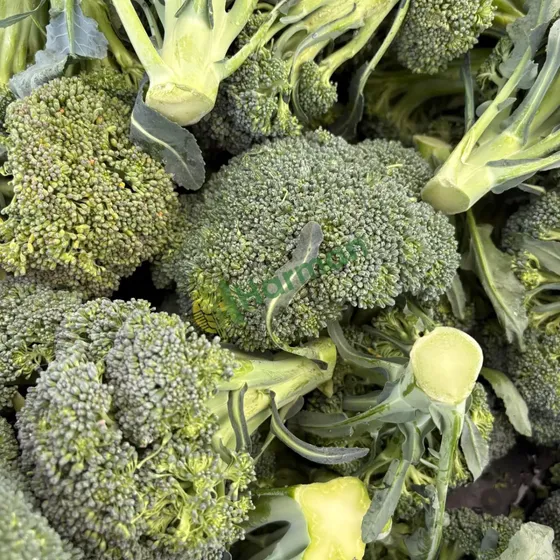
Plant family
Broccoli belongs to the brassica family, also called the cole crops. Its relatives include cabbage, cauliflower, kale, Brussels sprouts, turnips, radishes, and mustard greens.
Why rotate broccoli
Broccoli can be affected by clubroot, black rot, and other diseases that remain in soil or crop debris. It also needs good fertility, especially nitrogen, for strong vegetative growth and head formation. When broccoli follows other brassicas too soon, both disease pressure and insect pressure tend to increase. Rotation helps interrupt those cycles and spreads nutrient demand more evenly.
What to plant after
Broccoli grows well after peas or beans, which often leave a bed in good condition for a nitrogen-hungry crop. It also does well after onions, lettuce, or early root crops if the soil is fertile and moisture is reliable.
What to avoid
Avoid planting broccoli before or after cabbage, kale, radishes, turnips, or any other brassicas. These crops share the same major disease risks, so they should not follow each other in a short rotation.
Example rotation
One rotation is beans in year one, broccoli in year two, and carrots in year three. Another is lettuce, then broccoli, followed by peas or cucumbers.
Tips
Use broccoli as part of a larger brassica block in your garden map so all related crops move together. Clean up stems and roots after harvest and avoid composting obviously diseased plants if you are unsure your compost gets hot enough.
General guidance for US home gardens. Adapt to your own crops, soil, and space; your Cooperative Extension office can help with a plan for your area. Page updated Sep 18, 2026.