
Bok Choy Nutrition & Uses
Bok choy is a crisp Asian cabbage with juicy stalks and tender green leaves. In US kitchens, it is commonly stir-fried, braised, grilled, or added to soups and noodle bowls.
Nutritional profile
According to USDA FoodData Central, raw bok choy is low in calories and high in water, with fiber and small amounts of protein. It contains vitamins A, C, and K in notable amounts, along with folate, calcium, and potassium.
In the kitchen
Bok choy can be stir-fried whole or chopped, grilled in halves, braised, steamed, or added to soups and ramen. Baby bok choy is especially good with garlic, ginger, soy sauce, and sesame oil.
Choosing & preparing
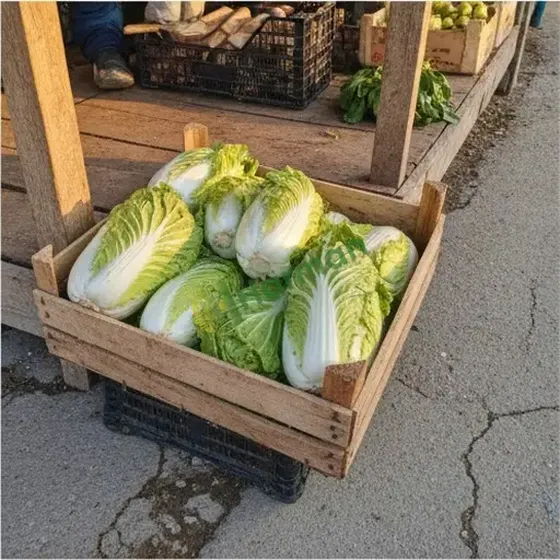
Choose heads with firm white or pale green stalks and crisp, unwilted leaves. Avoid rubbery stems, yellowing leaves, or signs of sliminess at the base.
Flavor pairings
Bok choy pairs well with garlic, ginger, soy sauce, sesame, scallions, mushrooms, tofu, and chili crisp. It also goes with noodles, rice, pork, chicken, and seafood.
Tips
Rinse thoroughly between the stalks, where dirt often collects. Cook the stalks first if separating them from the leaves, since they take longer to soften.
General food-composition information based on USDA FoodData Central. This is not medical or dietary advice; for personal guidance, consult a registered dietitian or your doctor. Page updated Sep 19, 2026.