
Growing guide · Vegetable
How to Grow Bok Choy
Days to maturity50 days
Spacing8 in
SeasonCool-season
Start indoors4 wk pre-frost
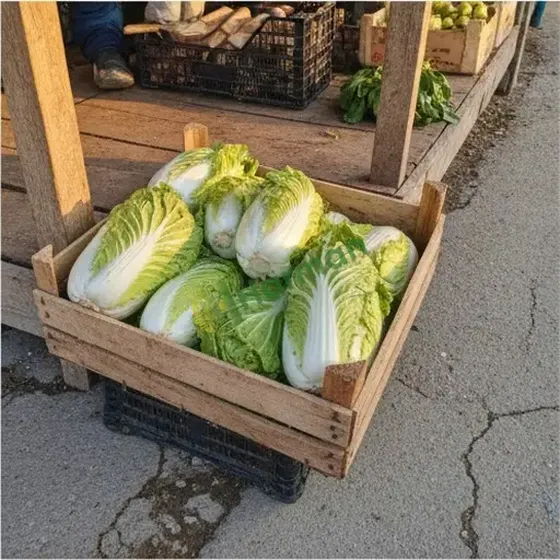
Bok choy is a fast-growing Asian cabbage in the same family as broccoli and kale, prized for its crisp white or pale green stalks and tender dark leaves. Home gardeners across the US grow it because it matures quickly, thrives in the cool weather of spring and fall, and adds a mild, slightly peppery green to stir-fries, soups, and salads. Both full-size heads and baby types are easy to fit into a garden bed or container.
When and how to plant
Bok choy is a cool-season crop, so plant it in early spring for a late-spring harvest and again in late summer for a fall harvest, avoiding the heat of midsummer that triggers bolting. You can direct-sow seeds about one-quarter to one-half inch deep once the soil can be worked, or start transplants indoors a few weeks before setting them out. Thin or space full-size plants about 6 to 12 inches apart in rows 18 to 24 inches apart, and space baby types more closely at around 3 to 4 inches. Give it full sun in spring and fall, or light afternoon shade in warmer regions, and grow it in loose, fertile, well-drained soil rich in organic matter with a near-neutral pH.
Care
Keep the soil consistently and evenly moist, since bok choy has shallow roots and steady moisture keeps growth fast and stalks tender while reducing the stress that leads to premature bolting. Water at the base to keep leaves dry, and aim for about an inch of water per week from rain or irrigation. Work compost or a balanced general-purpose garden fertilizer into the bed before planting and side-dress lightly once the plants are actively growing to support their quick development. A light layer of organic mulch helps hold moisture, moderate soil temperature, and suppress weeds through the season.
Common problems
Common pests include flea beetles, which chew small shotholes in the leaves, along with cabbage worms, aphids, and slugs, while wet conditions can bring on downy mildew and rots. Practicing crop rotation away from other brassicas, spacing plants for good air circulation, keeping foliage dry, and using lightweight floating row covers to exclude insects are effective non-chemical ways to prevent most problems. Bolting is a common disorder triggered by heat or cold stress, so timing plantings for cool weather and keeping plants evenly watered helps avoid it.
Harvest
Bok choy is ready to harvest in roughly 30 to 45 days for baby types and about 45 to 60 days for full-size heads, or whenever the stalks are plump and crisp. Cut the whole plant at the base with a knife, or pick a few outer leaves at a time to let the center keep growing, and harvest before hot weather causes it to flower. Store unwashed heads in a perforated bag in the refrigerator crisper, where they will keep fresh for about a week.
Growing Bok Choy in containers
Bok choy grows very well in containers during cool weather. Use a pot at least 8 inches deep with drainage, spacing full-sized plants 6 to 8 inches apart in fertile potting mix. Water steadily and feed lightly with a balanced fertilizer, and choose baby bok choy or compact pak choi varieties for small containers.
Watering & feeding Bok Choy
Give about 1 to 1.5 inches of water each week, adjusted for rainfall and heat. Bok choy is moderately thirsty and prefers consistently moist, well-drained soil. Water deeply at the base in the morning, use mulch to conserve moisture, and avoid prolonged wet foliage when possible. Dry soil can cause wilting, slow growth, and early bolting, while soggy soil can lead to yellow leaves and root problems. Containers dry faster and need frequent monitoring.
Bok choy is a moderate feeder that benefits from compost-enriched soil. Nitrogen supports leaf production, while adequate phosphorus and potassium help plants establish and grow evenly. Apply compost or a balanced vegetable fertilizer before planting, especially in less fertile beds. Side-dress lightly once plants are established or after an early leaf harvest, but do not overdo nitrogen, which can make plants overly leafy and soft. Grow bok choy in spring or fall when temperatures are cool. Keep moisture even from transplanting through harvest for the best stalk quality.
Saving Bok Choy seeds
Save seed from open-pollinated or heirloom bok choy, since F1 hybrid seed will not come true. Bok choy is usually a biennial, though spring-sown plants may bolt in their first season, and the dry tan pods can be harvested once mature. Cut stalks before the pods split, dry them under cover, then thresh and clean the seed. Properly dried seed lasts about four to five years in cool, dry storage; isolate it from other flowering Brassica rapa crops, including turnips and many Asian greens.
Bok Choy companion plants
Bok choy grows well with green onions, garlic, chives, lettuce, spinach, and radishes, which complement its compact, fast cool-season growth. Cilantro, dill, and alyssum nearby can provide nectar and pollen for beneficial insects. Avoid planting bok choy in a crowded brassica-only bed with cabbage, broccoli, kale, cauliflower, or mustard, because they share cabbage worms, flea beetles, aphids, clubroot, and other problems. Avoid tall crops that shade bok choy, especially in spring and fall when it needs steady growth to resist bolting.
When to plant Bok Choy near you
Get the exact start-indoors, transplant, and fall planting dates for Bok Choy at your location.
Frequently asked questions about Bok Choy
When should I plant bok choy?
Bok choy grows best in spring or fall when temperatures are cool to mild. In many areas, fall plantings are more reliable because spring weather can trigger bolting.
How long does bok choy take to grow?
Baby bok choy can be ready in about 30 to 40 days, while full-size plants often take 45 to 60 days. Growth is fastest in cool steady weather.
How much sun does bok choy need?
Bok choy prefers full sun in cool weather but tolerates partial shade. In warmer climates, some afternoon shade helps reduce stress.
Why is my bok choy flowering early?
Early flowering, or bolting, is often caused by temperature swings, cold stress on young plants, or heat. Direct sowing at the right time often works better than transplanting in tricky weather.
How far apart should bok choy be spaced?
Space small varieties about 6 inches apart and larger ones about 10 to 12 inches apart. Crowding reduces airflow and final size.
General guidance for US home gardens. Reference figures are typical values; your exact timing depends on your local frost dates and variety. Page updated Sep 18, 2026.