
Globe Artichoke Nutrition & Uses
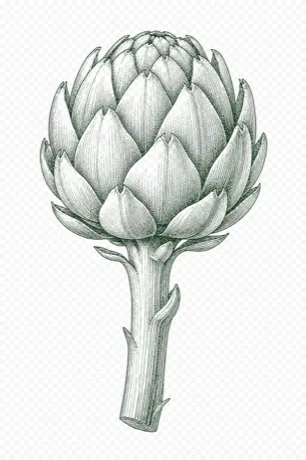
Globe artichoke buds are a low-calorie vegetable with a nutty, mild flavor and a satisfying, meaty texture at the base of each leaf and in the heart. Because you eat only part of each leaf plus the heart, portion sizes are modest.
Nutritional profile
According to USDA FoodData Central, cooked globe artichoke is high in water at roughly 84 percent and provides about 50 calories per 100 grams. It contributes dietary fiber and contains vitamins including vitamin C, vitamin K, and folate, along with minerals such as potassium, magnesium, and phosphorus. This is a general description of composition only.
In the kitchen
Whole artichokes are most often steamed, boiled, grilled, or roasted, then eaten by pulling off the leaves and scraping the tender base against your teeth. The fuzzy inner choke is scooped out to reach the prized heart. Try them steamed and served with lemon-butter or aioli for dipping, stuffed with seasoned breadcrumbs and baked, or use trimmed hearts in pasta, salads, dips, and on pizza.
Choosing & preparing
Choose heads that feel heavy for their size with tight, compact leaves that squeak when squeezed. Look for fresh green color and a stem end that is not dried out or shriveled. Some frost-touched buds show bronzing on the outer leaves and are still fine to eat.
Flavor pairings
Artichokes pair naturally with lemon, garlic, olive oil, and butter, and take well to Parmesan, aioli, and fresh herbs. A crisp white wine and a squeeze of citrus round out steamed or grilled preparations.
Tips
Rub every cut surface with lemon as you go to keep the flesh from darkening, and use a stainless or enamel pot rather than aluminum or cast iron to avoid discoloring the artichokes.
General food-composition information based on USDA FoodData Central. This is not medical or dietary advice; for personal guidance, consult a registered dietitian or your doctor. Page updated Sep 20, 2026.