
Growing guide · Vegetable
How to Grow Globe Artichoke
Days to maturity90 days
Spacing36 in
SeasonCool-season
Start indoors8 wk pre-frost
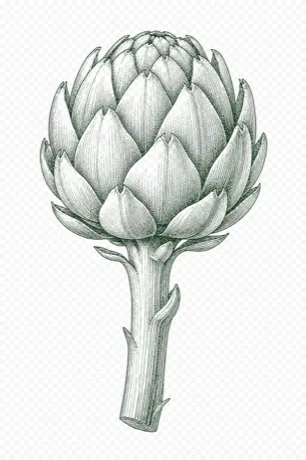
Globe artichoke is a big, silvery-leaved thistle whose edible part is the plump, immature flower bud you pick before it opens. Left on the plant, that same bud unfurls into a dramatic purple-blue bloom the size of a fist, which is why many US gardeners grow a plant or two as much for looks as for eating. In mild-winter regions such as coastal California, it comes back year after year as a striking perennial.
When and how to plant
This is a cool-season crop that is perennial in roughly USDA zones 7 to 11 and usually grown as an annual in colder areas. In cold zones, start seeds indoors about 6 to 8 weeks before the last spring frost, then set transplants out a couple of weeks before to around the last frost date so the young plants get a stretch of cool weather that encourages budding. Give it full sun and deep, rich, well-drained soil generously amended with compost. Where winters are mild, you can also plant roots or divisions in fall.
Care
Artichokes are big, hungry plants, so space them about 3 to 4 feet apart and water deeply and consistently to keep the soil evenly moist. Feed at planting and again during active growth with compost or a balanced fertilizer, and mulch to hold moisture and keep roots cool. The stalks are usually sturdy enough that staking is not needed. In borderline-cold zones, cut plants back after harvest and mulch heavily to help the crowns through winter.
Common problems
Aphids are the most common pest and like to gather at the base of the buds, so blast them off with a strong spray of water and check regularly. Slugs and snails chew on young plants, and damp, crowded conditions can bring on gray mold (botrytis); wide spacing and good airflow help prevent it. In some regions verticillium wilt affects plantings, so rotate where practical and avoid overhead watering late in the day.
Harvest
Pick the buds while they are still firm, plump, and tightly closed, before the scales begin to spread open. The central bud ripens first and is the largest, followed by smaller side buds lower on the plant. Cut each bud with 1 to 3 inches of stem attached using a sharp knife or pruners, and keep harvesting to encourage the side buds to size up.
Growing Globe Artichoke in containers
Globe artichokes can grow in containers, but they become large and are best in mild-winter climates or as annuals elsewhere. Use one plant in a 20 to 30 gallon container at least 18 inches deep with drainage holes and rich, well-drained potting mix. Water deeply and consistently, feed monthly during active growth, and choose compact cultivars such as 'Imperial Star' for annual production.
Watering & feeding Globe Artichoke
Provide about 1 to 2 inches of water weekly, adjusting upward in hot, dry weather and for large established plants. It is a thirsty crop, although deep roots can help established plants tolerate brief dry spells. Water slowly and deeply at the base to moisten the broad root zone, and mulch to keep soil cool and conserve moisture. Morning watering is best, containers dry quickly, and wilted leaves or small buds can indicate drought while yellowing, weak growth, or soggy soil can signal overwatering.
Globe artichoke is a heavy feeder that responds well to fertile, organic-matter-rich soil. Incorporate compost before planting, then use soil-test guidance to provide nitrogen along with adequate phosphorus and potassium. Feed at planting and side-dress during active spring growth, then feed again after harvest or during renewed growth for perennial plants if the soil needs it. Avoid excessive nitrogen, which can make overly leafy plants and reduce bud quality. Maintain even moisture while buds are forming, since drought can make buds smaller and tougher. Renew mulch after feeding and water it in well, keeping fertilizer off the crown and leaves.
Saving Globe Artichoke seeds
Globe artichokes can be grown from seed, but home gardeners often propagate named plants by divisions because seedlings may vary, and F1 hybrids do not come true. For seed, allow an open-pollinated plant's flower head to mature fully, dry on the plant, and become fluffy before cutting it. Rub apart the dry head to release the seeds, remove chaff, and finish drying the seed indoors before airtight storage. Artichoke seed typically remains viable for about 5 to 6 years when kept cool and dry.
Globe Artichoke companion plants
Globe artichokes do best with low, quick crops such as lettuce or radishes early in the season, before the artichokes become large. Sweet alyssum, calendula, or other small flowering plants at the bed edge can supply nectar and pollen for beneficial insects and pollinators. Specific artichoke companion pairings are less established, so avoid crowding it with large perennial or tall annual crops, which compete for the substantial sun, water, and root space artichokes require.
When to plant Globe Artichoke near you
Get the exact start-indoors, transplant, and fall planting dates for Globe Artichoke at your location.
Frequently asked questions about Globe Artichoke
When should I plant Globe Artichoke?
In cold-winter regions (roughly USDA zones 6 and below), start seeds indoors in late winter, about 8 to 10 weeks before your last frost, and transplant after the danger of frost has passed. In mild-winter areas (zones 7 and warmer) where artichokes grow as perennials, you can also plant crowns or transplants in fall.
How long does it take to grow Globe Artichoke?
Grown as a perennial, established plants typically produce buds in their second spring, though as annuals from seed they can yield in their first year if given a cold spell to trigger budding. From transplanting, expect roughly 3 to 4 months to the first harvestable buds under good conditions.
How much sun does Globe Artichoke need?
Globe Artichoke does best in full sun, meaning at least 6 to 8 hours of direct light per day. In hot, dry Southern and Southwestern gardens, a little afternoon shade can help reduce heat stress and keep the plants productive.
How far apart should I space Globe Artichoke plants?
These are large plants, so give each one plenty of room, generally about 3 to 4 feet apart with rows spaced 4 to 6 feet apart. Crowding reduces airflow and bud size, so err on the wider side if you have space.
Can I grow Globe Artichoke in containers?
Yes, though it needs a large pot, ideally 15 to 20 gallons or more, with excellent drainage to accommodate the deep roots. Container plants dry out faster and are less winter-hardy, so water consistently and move or protect the pot during cold snaps.
How do I know when Globe Artichoke is ready to harvest?
Harvest the buds while they are still firm, plump, and tightly closed, usually when the central bud reaches roughly the size of a baseball. Once the scales, or bracts, start to loosen and open, the bud becomes tough, so cut it with a few inches of stem before that happens.
What are common problems when growing Globe Artichoke?
Aphids often cluster on buds and new growth, and slugs or snails can damage young plants, so inspect regularly and rinse or hand-pick pests. In wet or poorly drained soil, crown and root rot are the biggest risks, which is why good drainage and avoiding soggy conditions matter most.
General guidance for US home gardens. Reference figures are typical values; your exact timing depends on your local frost dates and variety. Page updated Sep 18, 2026.