
Amaranth Greens Nutrition & Uses
Amaranth greens are a tender cooking green with a mild, slightly earthy flavor similar to spinach. The notes below describe general composition only, drawn from USDA FoodData Central entries for amaranth leaves.
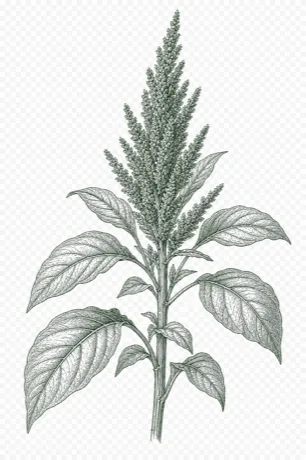
Nutritional profile
According to USDA FoodData Central, raw amaranth leaves are low in calories and very high in water content, with a modest amount of dietary fiber. They contain vitamins including vitamin A (present as carotenoids), vitamin C, vitamin K, and folate, along with minerals such as calcium, iron, magnesium, potassium, and manganese. These are descriptive composition figures and vary with variety and growing conditions.
In the kitchen
Amaranth greens are almost always cooked rather than eaten raw, and they cook down much like spinach. Sauté them with garlic and olive oil, simmer them into the Caribbean dish callaloo with coconut milk, fold them into Indian-style dal and stir-fries, or add them to soups, dumpling fillings, and egg dishes. The stems near the growing tip are tender and can be cooked along with the leaves.
Choosing & preparing
Choose bunches with crisp, brightly colored leaves and firm, snappable stems, avoiding any that are yellowing, wilted, or slimy. Smaller, younger leaves are the most tender and mild, while very large leaves can be tougher and are better in long-cooked dishes. If buying red or variegated types, expect the color to shift when cooked.
Flavor pairings
The mild flavor pairs well with garlic, onion, chili, ginger, coconut milk, tomatoes, and warm spices like cumin and coriander. It works alongside beans, lentils, rice, eggs, and salty cheeses such as feta. A squeeze of lemon or a splash of vinegar at the end brightens the cooked greens.
Tips
Cook amaranth greens briefly, since they wilt fast and can turn mushy if overcooked. Red-leaved varieties release a pink liquid, so use them where that color is welcome or pair them with milder green types. Save the tender stems rather than discarding them.
General food-composition information based on USDA FoodData Central. This is not medical or dietary advice; for personal guidance, consult a registered dietitian or your doctor. Page updated Sep 18, 2026.