
Amaranth Greens Crop Rotation
Amaranth greens grow fast and pull a good deal of nitrogen and other nutrients from the soil, so moving them around the garden each year keeps beds from getting worn down. Rotation also helps you stay ahead of the leaf-eating pests and leaf-spot diseases that settle into a spot where the same family grows season after season.
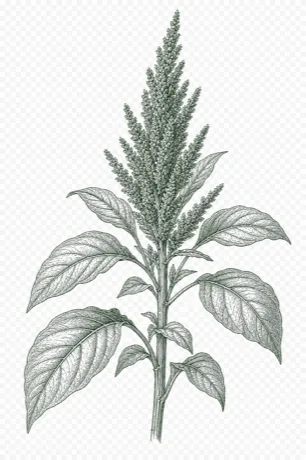
Plant family
Amaranth greens belong to the amaranth family (Amaranthaceae), which also includes beets, Swiss chard, spinach, and quinoa, along with the common garden weed lamb's quarters. Because these relatives share many of the same pests and diseases, it is best to treat them as one group when planning a rotation.
Why rotate amaranth greens
Growing amaranth or its relatives in the same bed repeatedly lets problems like Cercospora leaf spot and damping-off fungi such as Pythium and Rhizoctonia build up in the soil, along with pests like leaf miners, flea beetles, and root-knot nematodes that also feed on beets, chard, and spinach. As a leafy crop, amaranth greens draw heavily on nitrogen, so keeping them in one place year after year can leave the soil short on the nutrients the next crop needs.
What to plant after
Amaranth greens do well following legumes such as bush beans, peas, or a clover cover crop, because those crops fix nitrogen in the soil and leave behind the extra nitrogen that leafy amaranth needs for fast, tender growth. They also fit nicely after alliums like onions and garlic, which share few pests with amaranth and give the bed a clean break.
What to avoid
Avoid planting amaranth greens right before or after other members of the amaranth family, including beets, chard, spinach, and quinoa, since they trade the same soilborne diseases and pests and would only let those problems intensify. It is also wise not to follow another heavy nitrogen-hungry leafy crop, which can leave the soil too depleted to support strong growth.
Example rotation
A simple four-year plan for one bed could go like this: Year 1, bush beans or peas (legumes); Year 2, amaranth greens (leafy crop); Year 3, tomatoes, squash, or peppers (fruiting crops); Year 4, carrots or onions (roots and alliums). After the fourth year the cycle starts over, which keeps roughly three years between amaranth plantings in the same spot.
Tips
Keep a simple map or notebook of what grows in each bed so you can space amaranth and its relatives at least two to three years apart. Grouping beets, chard, spinach, and amaranth together as one rotation family, and working in a nitrogen-fixing cover crop between cycles, makes the plan easier to follow and keeps the soil in good shape.
General guidance for US home gardens. Adapt to your own crops, soil, and space; your Cooperative Extension office can help with a plan for your area. Page updated Sep 18, 2026.