
Growing guide · Vegetable
How to Grow Amaranth Greens
Days to maturity45 days
Spacing6 in
SeasonWarm-season
Start indoors3 wk pre-frost
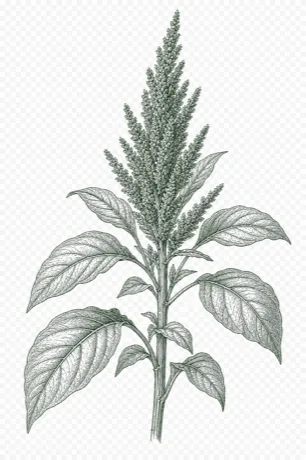
Amaranth greens, sold under names like callaloo, Chinese spinach, and tampala, are a summer leafy green that US gardeners grow because they keep producing tender leaves through the hot, humid weeks when spinach and lettuce have already bolted. Many gardeners like the ornamental value too, since red-leaved types such as 'Red Garnet' bleed a bright magenta color into the pot when you cook them. The same plants can be left to flower and set seed for grain amaranth, so a single planting can serve two purposes.
When and how to plant
Amaranth is a warm-season crop that is killed by frost, so wait until all danger of spring frost has passed and the soil has warmed to at least 65 degrees F before planting. You can direct sow the tiny seeds about a quarter inch deep once the ground is warm, or start seeds indoors roughly three weeks ahead and transplant seedlings out a week or two after the last frost. Give it full sun and a loose, well drained soil with some compost worked in; amaranth is not fussy and tolerates poorer ground than many vegetables.
Care
Water regularly to keep leaves tender and to slow bolting, aiming for about an inch of water per week during dry spells. A single application of a balanced or nitrogen-leaning fertilizer early in the season is usually plenty, since too much rich feeding produces floppy growth. Thin or space plants about six inches apart for leaf harvest, or wider if you plan to let some grow tall for grain; tall grain types may need staking in windy sites, but leaf plants generally stand on their own.
Common problems
The most common pests are flea beetles, which chew tiny shot holes in young leaves, along with aphids and occasional leaf miners and cucumber beetles. Floating row cover over young seedlings and clearing weeds nearby are simple preventive steps, and a strong spray of water knocks aphids off. Damping off can kill seedlings in cold, wet soil, so plant only after the ground warms and avoid overwatering to keep foliage healthy.
Harvest
Begin picking outer leaves once plants reach about eight to twelve inches tall, usually within a month or so of sowing, and harvest before flower spikes form for the mildest flavor. Pinch or cut individual leaves and tender stem tips, leaving the growing point intact so the plant keeps producing in a cut-and-come-again fashion. Pick in the cool of the morning and harvest often, since young leaves are the most tender and frequent cutting delays bolting.
Growing Amaranth Greens in containers
Amaranth greens grow readily in containers and are especially useful as a warm-season leafy crop. Use a pot at least 8 to 12 inches deep, with 1 to 2 gallons of soil per plant, or sow densely in a wider container for baby greens. Choose a well-drained potting mix, keep it consistently moist without leaving it soggy, and feed lightly with a balanced fertilizer after repeated harvests. Leaf amaranth types, including callaloo and red-leaf forms, are better container choices than grain amaranth.
Watering & feeding Amaranth Greens
Supply about 1 inch of water per week, raising that amount in intense heat or in sandy soil. Young plants are more sensitive to drying out than established plants. Water at the base, preferably in the morning, and soak the root zone rather than giving frequent shallow sprinkles. Mulch conserves moisture, and wilting or tough leaves can mean the soil is too dry, while yellowing and slow growth in wet soil can point to overwatering.
Amaranth greens are moderate feeders that respond well to fertile soil and modest nitrogen for leaf production. Mix finished compost into the planting area and use fertilizer sparingly because the crop grows quickly. Apply compost before sowing or transplanting, then give a light side-dressing after the first substantial harvest if plants need it. Avoid heavy nitrogen applications late in the crop, especially if growth is already lush. Keep the seedbed consistently moist until seedlings are established. Harvest young leaves frequently for the best texture and to maintain new growth.
Saving Amaranth Greens seeds
Open-pollinated and heirloom amaranth greens come true from seed, but F1 hybrids do not. Allow flower tassels to mature until they are dry and seed sheds easily, then cut them into a bag or rub the heads over a container. Winnow or screen out debris and dry the seed for another week indoors before storage. Kept cool, dark, and dry, amaranth seed generally lasts about 3 to 5 years.
Amaranth Greens companion plants
Plant amaranth greens with quick, low crops such as radishes or lettuce, which use the open space while amaranth is young. Bush beans are also a practical neighbor because they occupy different space and leave nitrogen-rich residues after the crop is finished. Nearby small flowering herbs, such as dill or cilantro allowed to bloom, can feed beneficial insects. Avoid crowding amaranth with tall corn, sunflowers, or other large amaranths, because shade and competition reduce leaf production.
When to plant Amaranth Greens near you
Get the exact start-indoors, transplant, and fall planting dates for Amaranth Greens at your location.
Frequently asked questions about Amaranth Greens
When should I plant Amaranth Greens?
Amaranth Greens love warmth, so plant them in late spring after your last frost date once the soil has warmed to at least 60 to 65 degrees F. In most US regions you can keep sowing every few weeks through early summer for a steady supply, since the plants thrive in the heat that makes other greens bolt.
How long do Amaranth Greens take to grow?
Amaranth Greens are fast growers, and you can usually start picking tender leaves within about 3 to 5 weeks of sowing. For baby greens you can harvest even sooner, while full-size leaves are typically ready in roughly 6 to 8 weeks.
How much sun do Amaranth Greens need?
Amaranth Greens grow best in full sun, meaning about 6 or more hours of direct light per day. They will tolerate light afternoon shade, especially in hot southern gardens, but too much shade slows growth and makes plants leggy.
How far apart should I space Amaranth Greens?
For a cut-and-come-again leaf crop, thin seedlings to roughly 4 to 6 inches apart in rows about 12 to 18 inches apart. If you want larger plants, give them more room, around 10 to 12 inches, so leaves can size up without crowding.
Can I grow Amaranth Greens in containers?
Yes, Amaranth Greens do well in containers, which makes them a good fit for patios and small balcony gardens. Use a pot at least 6 to 8 inches deep with drainage holes and quality potting mix, and keep it in a sunny, warm spot with consistent watering.
How do I know when to harvest Amaranth Greens?
Harvest Amaranth Greens once the plants are 6 to 12 inches tall and the leaves are tender, either snipping whole young plants or picking outer leaves so the center keeps producing. Pick regularly and before flower heads form, since older leaves and stems turn tougher as the plant matures.
General guidance for US home gardens. Reference figures are typical values; your exact timing depends on your local frost dates and variety. Page updated Sep 19, 2026.