
Growing guide · Vegetable
How to Grow Mustard Greens
Days to maturity45 days
Spacing8 in
SeasonCool-season
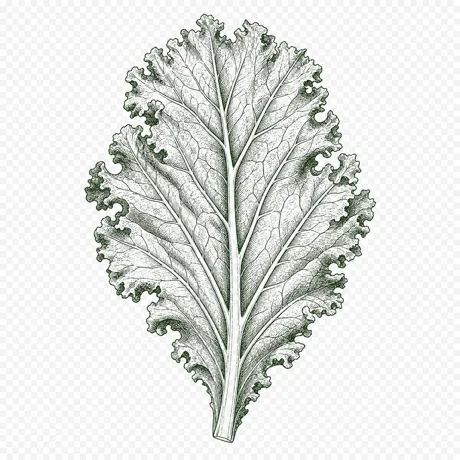
Mustard greens are a fast-growing, cool-season leafy vegetable in the cabbage family, prized for their peppery, slightly spicy leaves. Home gardeners across the US grow them because they mature quickly, tolerate light frost, and can be cooked like collards or eaten raw when young. They are an easy, productive crop for spring and fall gardens and a good choice for beginners.
When and how to plant
Mustard greens are grown as an annual and are almost always started by sowing seed directly in the garden, since they grow so quickly that transplanting is rarely worth the effort. Plant seeds about a quarter to half an inch deep in early spring as soon as the soil can be worked, or again in late summer for a fall crop, since hot summer weather makes the plants bolt and turn bitter. Sow seeds in rows and thin seedlings to stand 4 to 8 inches apart, giving each plant room to develop full leaves. Choose a spot with full sun and loose, well-drained soil rich in organic matter; in warmer regions, a little afternoon shade helps extend the season.
Care
Because mustard greens grow fast, steady moisture is the key to tender, mild leaves, so water regularly to keep the soil evenly moist but not soggy, aiming for about an inch of water per week. Work some compost or other organic matter into the bed before planting and side-dress with additional compost partway through the season to support quick leafy growth. A light layer of mulch around the plants helps conserve moisture, keep the soil cool, and suppress weeds. Keep the bed weeded, and consider sowing a small batch of new seed every couple of weeks for a continuous harvest of young leaves.
Common problems
Common pests include flea beetles, which chew tiny holes in the leaves, along with aphids and cabbage worms, while damp conditions can lead to leaf spots and downy mildew. Prevent problems by rotating where you plant crops in the cabbage family each year, spacing plants for good air circulation, keeping the area weeded, and covering young plants with lightweight row cover to block insects. Bolting is a common disorder caused by heat or long days, so timing plantings for cool weather is the best defense.
Harvest
Mustard greens are ready to harvest quickly, often within 30 to 50 days of sowing, and taste mildest when picked young and tender. You can pick individual outer leaves as needed and let the center keep growing, or cut the whole plant at once; harvest before hot weather sets in, as older leaves grow tough and sharply pungent. Store washed, dried leaves loosely in a bag in the refrigerator, where they will keep for several days, and use them soon for the best flavor and texture.
Growing Mustard Greens in containers
Mustard greens are very well suited to containers and grow quickly in cool weather. Use a pot at least 6 to 8 inches deep with drainage and rich potting mix, spacing plants 4 to 6 inches apart. Water consistently, feed lightly once or twice during the crop, and sow small batches every couple of weeks for tender leaves.
Watering & feeding Mustard Greens
Aim for about 1 inch of water weekly, increasing during unseasonably warm or dry conditions. Mustard greens are moderately thirsty and do best when soil stays evenly moist but never waterlogged. Apply water at the base, preferably in the morning, and mulch lightly to reduce moisture swings. Wilting, slow growth, and strong or tough leaves can point to dry soil, while yellowing foliage and poor vigor can follow overwatering. Check containers frequently because they dry quickly.
Mustard greens are moderate feeders that respond well to compost-rich soil. Nitrogen is especially important for leafy growth, with balanced phosphorus and potassium supporting healthy roots and overall growth. Add finished compost before sowing or transplanting, and feed lightly at planting if soil is not fertile. For repeated leaf harvests, side-dress once during active growth, but avoid excessive nitrogen that can produce overly soft growth. Sow in cool weather and keep soil moisture consistent to slow bolting. Harvest young outer leaves often for the mildest texture and flavor.
Saving Mustard Greens seeds
Save seed from open-pollinated or heirloom mustard greens, since F1 hybrids do not come true from seed. Let selected plants bolt, then cut seed stalks as the pods become dry and tan, before they split and scatter seed. Dry the stalks under cover, thresh the pods, and screen or winnow the seed until fully dry. Store mustard seed cool and dry for about four to five years, and isolate compatible flowering mustard varieties to prevent crossing.
Mustard Greens companion plants
Mustard greens grow well with onions, garlic, chives, lettuce, and radishes, which have different growth habits and make good use of space in a cool-season bed. Flowering dill, cilantro, and alyssum nearby can support hoverflies, parasitic wasps, and other beneficial insects. Avoid planting mustard greens in a dense block with cabbage, broccoli, kale, or other brassicas because shared flea beetles, caterpillars, aphids, and disease problems can build quickly. Give mustard ample spacing, since competition and poor airflow encourage weak, pest-prone growth.
When to plant Mustard Greens near you
Get the exact start-indoors, transplant, and fall planting dates for Mustard Greens at your location.
Frequently asked questions about Mustard Greens
When should I plant mustard greens?
Plant mustard greens in early spring or late summer for fall harvest. They grow fastest and taste best in cool weather.
How long do mustard greens take to grow?
Baby leaves can be ready in about 20 to 30 days, and full-size leaves often take 40 to 50 days. Warm weather speeds bolting.
Do mustard greens need full sun?
Mustard greens prefer full sun in cool seasons but tolerate partial shade. In warmer areas, a little shade can slow bolting.
Why are my mustard greens so spicy or bitter?
Heat, drought, and older leaves can make mustard greens stronger and more bitter. Harvest young leaves and keep plants growing quickly with steady moisture.
Can I grow mustard greens in containers?
Yes, mustard greens do well in containers, especially for cut-and-come-again harvests. Use fertile soil and keep the pot from drying out.
General guidance for US home gardens. Reference figures are typical values; your exact timing depends on your local frost dates and variety. Page updated Sep 19, 2026.