
Mustard Greens Crop Rotation
Rotating mustard greens matters because they belong to the brassica family, whose members share a long list of soilborne diseases and pests that build up quickly when the same ground is replanted year after year. Moving this leafy, nitrogen-hungry crop to a fresh bed each season keeps disease pressure low and soil fertility more balanced.
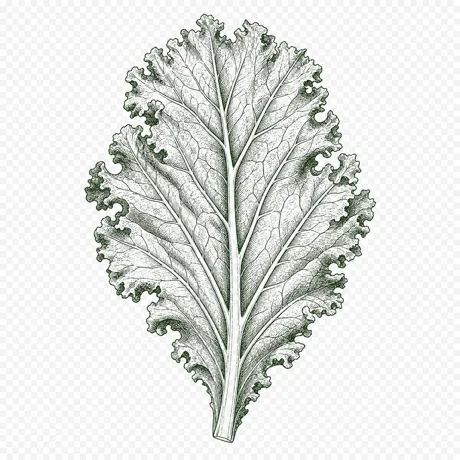
Plant family
Mustard greens are part of the brassica family, also called the cabbage or mustard family. Their close relatives that share the same pests and diseases include cabbage, broccoli, cauliflower, kale, collards, Brussels sprouts, turnips, radishes, kohlrabi, bok choy, and arugula.
Why rotate mustard greens
When brassicas grow in the same spot repeatedly, soilborne problems like clubroot, black rot, and fusarium yellows can accumulate and persist in the soil for years. Pests such as flea beetles, cabbage root maggots, and overwintering aphids also build up when a steady supply of brassica hosts is available. On top of that, mustard greens are heavy nitrogen feeders, so replanting them in the same bed steadily drains that nutrient and can leave later crops undernourished.
What to plant after
Mustard greens do well following legumes such as peas or beans, because those crops fix nitrogen in the soil and leave behind a fertile bed that suits this leafy feeder. They also fit nicely after alliums like onions and garlic, or after cucurbits such as squash and cucumbers, since none of these share the brassica pest and disease cycle, giving those problems a season with no host to feed on.
What to avoid
Avoid planting mustard greens right before or after any other member of the brassica family, including cabbage, broccoli, cauliflower, kale, turnips, and radishes. Growing these relatives back to back keeps clubroot, black rot, flea beetles, and cabbage root maggots supplied with hosts and lets them intensify rather than fade. It is also best not to follow mustard greens with another heavy nitrogen feeder, since the soil needs time to rebuild fertility.
Example rotation
A simple four-year plan for one bed could run like this: Year 1 grow legumes such as peas or bush beans, Year 2 grow mustard greens and other brassicas, Year 3 grow fruiting crops like tomatoes or squash, and Year 4 grow root crops such as carrots or beets. After the fourth year the cycle starts over, so mustard greens and their relatives return to any given bed only once every four years.
Tips
Keep a simple written or drawn map of what grew in each bed so you can be sure at least three to four years pass before brassicas return to the same ground. Sowing a non-brassica cover crop such as clover or vetch in the off season also rebuilds nitrogen and adds organic matter for the next planting.
General guidance for US home gardens. Adapt to your own crops, soil, and space; your Cooperative Extension office can help with a plan for your area. Page updated Sep 19, 2026.