
Growing guide · Vegetable
How to Grow Collard Greens
Days to maturity65 days
Spacing18 in
SeasonCool-season
Start indoors6 wk pre-frost
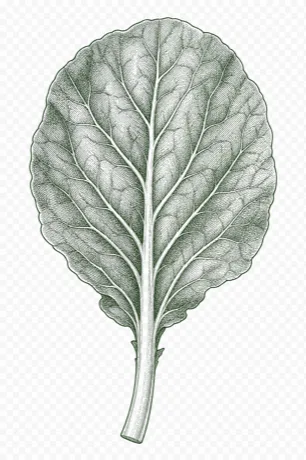
Collard greens (Brassica oleracea, Acephala group) are a leafy, non-heading member of the cabbage family grown for their broad, blue-green leaves. They are a staple of Southern gardens and kitchens but grow well across most of the United States, prized for being one of the most cold-hardy vegetables a home gardener can raise. Many gardeners find the flavor turns sweeter and milder after a light frost, which makes collards a reliable choice for both spring and fall planting.
When and how to plant
Collards are a cool-season crop and grow best in the mild temperatures of spring and fall, so time plantings to mature during cool weather rather than the heat of midsummer. For a spring crop, start seeds indoors about 4 to 6 weeks before the last expected frost and set transplants out around that frost date, or sow seeds directly in the garden a couple of weeks before the last frost; for a fall crop, sow or transplant in mid to late summer so plants mature as the weather cools. Plant in full sun in loose, well-drained soil rich in organic matter with a near-neutral pH, and space plants about 18 to 24 inches apart in rows 30 to 36 inches apart to give the large leaves room to develop. Sow seeds about one-quarter to one-half inch deep, and thin crowded seedlings early so each plant has space to reach full size.
Care
Collards need steady, even moisture, so aim for about 1 to 1.5 inches of water per week from rain or irrigation, watering at the base to keep the leaves dry. Work compost or other organic matter into the bed before planting and side-dress with a balanced source of nutrients as the plants grow to keep leaf production strong, since these are heavy leafy feeders. A 2 to 3 inch layer of organic mulch such as straw or shredded leaves helps hold moisture, moderate soil temperature, and suppress weeds. Keep the bed weeded, and remove any yellowing lower leaves through the season to keep plants healthy and productive; established plants tolerate frost well and can keep producing into cold weather.
Common problems
The most common pests are cabbage worms and loopers, aphids, flea beetles, and harlequin bugs, which chew or stipple the leaves and can be reduced by handpicking, using floating row covers, and encouraging beneficial insects. Diseases such as black rot, downy mildew, and various leaf spots are best prevented by rotating brassicas to a new spot each year, spacing plants for good air flow, watering at the base, and cleaning up plant debris at the end of the season. Nutrient-poor soil or uneven watering can cause pale, stunted, or bitter leaves, so consistent care goes a long way toward preventing disorders.
Harvest
You can begin harvesting once the leaves are large enough to use, generally about 60 to 75 days from planting, either by picking the lower outer leaves a few at a time so the plant keeps producing or by cutting the whole plant at once. Harvest the outer leaves while they are still tender and before they turn tough, and know that leaves picked after a light frost are often sweeter. Store unwashed leaves in a plastic bag in the refrigerator for up to about a week, or blanch and freeze them for longer keeping.
Growing Collard Greens in containers
Collard greens grow well in containers and can be harvested leaf by leaf over a long season. Use one plant per 3 to 5 gallon pot, at least 10 inches deep, with drainage and fertile potting mix. Keep the soil evenly moist and feed with a balanced vegetable fertilizer every three to four weeks; compact or smaller-leaved varieties are easiest in pots.
Watering & feeding Collard Greens
Supply about 1 to 1.5 inches of water per week, with more attention during warm, windy weather. Collards are moderately thirsty, though established plants tolerate short dry periods better than many greens. Water deeply at soil level in the morning and mulch around plants to conserve moisture and reduce soil splash. Drooping leaves, slow regrowth, and bitter flavor can follow drought stress, while yellowing and limp lower leaves in wet soil can indicate overwatering. Containers dry faster than garden beds.
Collards are moderate to heavy feeders, especially when harvested repeatedly. Prepare soil with finished compost, and ensure enough nitrogen for leaf growth along with balanced phosphorus and potassium. Feed at planting, then side-dress with a nitrogen-containing vegetable fertilizer about every three to four weeks during active harvest, adjusting for soil fertility. Do not overapply nitrogen late in the season or when plants are already growing vigorously. Harvest lower leaves regularly, leaving the center growing point intact. Keep the bed weed-free so collards do not compete for water and nutrients.
Saving Collard Greens seeds
Save seed from open-pollinated or heirloom collards, because F1 hybrid seed will not come true. Collards are biennial, so overwinter selected plants and let second-year seed pods dry to tan or brown before harvesting. Harvest stalks as the pods dry, finish drying them under cover, then thresh the pods and clean the seed. Dry seed well and store it cool and dry for roughly four to five years; isolate from other flowering Brassica oleracea crops, such as cabbage, kale, broccoli, and kohlrabi, to avoid crosses.
Collard Greens companion plants
Collard greens pair well with onions, garlic, chives, dill, cilantro, and sweet alyssum, which diversify the planting and provide flowers for beneficial insects. Bush beans can also fit nearby, adding nitrogen to the garden system over time, though they should not shade collards. Use lettuce or radishes as quick crops between young collards before the leaves expand. Avoid grouping collards tightly with other brassicas, including cabbage, broccoli, kale, and mustard, because they share major insect pests and diseases.
When to plant Collard Greens near you
Get the exact start-indoors, transplant, and fall planting dates for Collard Greens at your location.
Frequently asked questions about Collard Greens
When should I plant collard greens?
Collards are a cool-season crop, usually planted in early spring or late summer for fall harvest. They tolerate frost well and often improve in flavor after cool weather.
How long do collard greens take to grow?
Collards are often ready for harvest in about 55 to 85 days, depending on variety and whether you pick baby leaves or full-size ones. You can harvest outer leaves as plants grow.
How much sun do collards need?
Collards grow best in full sun but will tolerate partial shade. In hot regions, some afternoon shade can help keep leaves tender longer.
Why are my collard leaves turning yellow?
Yellow leaves can come from age, overwatering, nutrient issues, or disease pressure. Remove the worst leaves and check soil moisture and drainage first.
Can collard greens grow in containers?
Yes, collards can grow in large containers with rich soil and regular watering. Choose a pot large enough to support their broad root system and leaf growth.
General guidance for US home gardens. Reference figures are typical values; your exact timing depends on your local frost dates and variety. Page updated Sep 18, 2026.