
Collard Greens Pests & Diseases
Collard greens are hardy brassicas, but their broad leaves are a magnet for the same chewing caterpillars, aphids, and flea beetles that trouble the whole cabbage family. Warm, humid conditions and crowded plantings also invite foliar diseases like black rot, downy mildew, and Alternaria leaf spot.
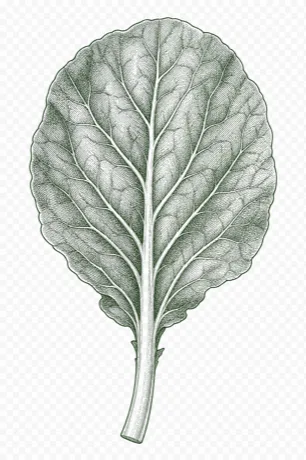
Common Collard Greens pests
The most common insect pests are the caterpillars: imported cabbageworm (velvety green larvae from white butterflies), cabbage looper (inchworm that arches its back as it crawls), and diamondback moth larvae (small, wiggly green caterpillars). They chew ragged holes in leaves and leave dark green frass. Cabbage aphids form gray-green waxy clusters on undersides and growing tips, curling and stunting foliage, while flea beetles pepper young leaves with tiny shot holes. Harlequin bugs (shield-shaped, orange and black) and cabbage root maggots can also attack, and deer, rabbits, and groundhogs will graze the tender leaves.
Common diseases
Black rot is the signature bacterial disease of collards, showing yellow V-shaped lesions at the leaf margins with blackened veins. Downy mildew produces pale yellow patches on the upper leaf surface with fuzzy gray-purple growth underneath, especially in cool, damp weather. Alternaria leaf spot appears as brown circular spots with concentric rings that resemble a target. Clubroot, a soilborne disease, swells and distorts the roots and causes wilting and stunting above ground.
Prevention
Rotate brassicas so collards do not follow cabbage, kale, broccoli, or other family members for at least two to three years, which starves soil pathogens like black rot and clubroot. Space plants generously and thin for good airflow so leaves dry quickly, and water at the base with drip or a soaker hose rather than wetting the foliage. Start with disease-tolerant varieties and certified clean transplants, keep beds weeded of wild mustards, and remove and destroy crop debris at the end of the season. Liming to raise soil pH can suppress clubroot where it has been a problem.
Organic control
Cover young plants with floating row covers right after planting to exclude cabbageworms, flea beetles, aphids, and harlequin bugs, since collards do not need pollinators. Scout for and hand-pick caterpillars and egg clusters, and apply Bacillus thuringiensis (Bt kurstaki) or spinosad to control caterpillars while they are small, reapplying after rain per the product label. Knock aphids off with a strong spray of water or treat heavy infestations with insecticidal soap or neem oil, aiming at leaf undersides. Encourage beneficial insects such as lady beetles, lacewings, and parasitic wasps, and for the target-spotting foliar diseases a copper-based fungicide can be used as directed. Always read and follow the product label for any spray.
Scouting & monitoring
Check the undersides of leaves and the growing tips at least once or twice a week from transplanting onward, looking for tiny eggs, aphid colonies, shot-hole damage, and the first small caterpillars. Watch for the white cabbage butterflies and moths flitting around the bed, which signals eggs are being laid. Inspect leaf margins for yellow V-shaped lesions and undersides for downy growth after cool, wet spells, and pull an occasional plant to check roots for clubroot swelling if plants wilt in the heat.
Tips
Catch caterpillars early, since Bt and hand-picking work far better on small larvae than on large ones. Row covers plus a two to three year brassica rotation prevent the majority of collard problems before they ever start.
General home-garden IPM guidance, focused on prevention and least-toxic control. Always read and follow the product label for any pesticide, including organic products. Page updated Sep 18, 2026.