
Growing guide · Herb
How to Grow Borage
Days to maturity55 days
Spacing18 in
SeasonCool-season
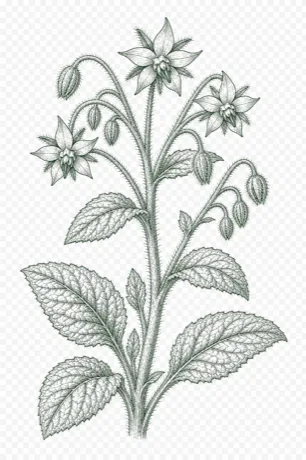
American gardeners grow borage for its sky-blue, star-shaped flowers and fuzzy gray-green leaves that taste and smell like fresh cucumber. It is one of the easiest hardy annual herbs to start from seed, and it draws honeybees and bumblebees to the garden all summer long. A classic use is to freeze the edible blue blossoms into ice cubes for summer drinks or scatter them over a salad. Once planted, borage often self-sows and returns on its own the following year.
When and how to plant
Borage is a cool-tolerant hardy annual that is best direct sown right where it will grow, because its long taproot resents being transplanted. Sow seeds outdoors around your last spring frost date, or a couple of weeks earlier in mild regions, planting them about a half inch deep. Choose a spot in full sun, though it tolerates light afternoon shade in hot southern gardens. Borage is not fussy about soil but grows best in average, well-drained ground; overly rich soil produces lush leaves and fewer flowers.
Care
Water young seedlings regularly until they are established, then water only during dry spells, since mature borage is fairly drought tolerant once its taproot reaches down. It rarely needs fertilizer and often flowers more freely in lean soil, so skip heavy feeding. Thin or space plants about 18 inches apart, as a single plant can grow 2 to 3 feet tall and wide and may flop; a short stake or a nearby sturdy neighbor helps hold tall stems upright. To limit unwanted volunteers, cut off spent flower heads before they drop seed.
Common problems
Borage is largely trouble free, but aphids, sometimes called blackfly, can cluster on tender stems and new growth. Knock them off with a strong spray of water or a little insecticidal soap, and encourage the ladybugs and lacewings that borage flowers attract. In humid weather or crowded plantings, powdery mildew can leave a white dusty coating on the leaves; prevent it by spacing plants for good airflow and watering at the base rather than overhead. Remove any badly affected foliage to keep plants tidy.
Harvest
Pick young, tender leaves anytime once plants are 6 to 8 inches tall, choosing the smallest ones since older leaves grow coarse and very bristly. Snip individual leaves or stems with scissors, and harvest the star-shaped flowers as soon as they open fully, gently pinching each bloom from its hairy calyx. Both leaves and flowers are best used fresh and picked in the cool of the morning. Harvest often to keep new growth and blooms coming through the season.
Growing Borage in containers
Borage can be grown in containers, but its deep taproot and tendency to become top-heavy mean it needs a larger pot than its foliage suggests. Use a container at least 3 to 5 gallons and 12 inches deep, with excellent drainage and ordinary potting mix. Water when the upper inch dries, avoid overfertilizing, and stake plants if they lean. Sow directly in the final pot because borage dislikes root disturbance.
Watering & feeding Borage
Provide about 1 inch of water per week while plants are actively growing, with supplemental watering during prolonged heat or drought. Borage is moderately drought tolerant once established, but seedlings need more consistent moisture. Water deeply at the base when the soil begins to dry, rather than keeping the bed constantly wet. Morning watering and a light mulch help conserve water, though borage also needs good air circulation. Drooping leaves in dry soil indicate thirst, while yellowing lower leaves and soggy soil suggest overwatering or poor drainage.
Borage is a light feeder and generally performs well in average soil amended with a modest amount of compost. Excess nitrogen can make plants overly leafy and floppy. Focus on drainage and reasonable soil organic matter instead of strong fertilizer applications. Add compost before sowing or transplanting, then usually skip additional fertilizer for the season. If growth is unusually pale in very poor soil, apply a light, balanced feeding once. Avoid repeated nitrogen feeding. Stake plants if rich soil or frequent watering makes them tall and loose. Let the soil dry slightly between waterings after plants are established.
Saving Borage seeds
Open-pollinated borage generally comes true from seed, though it readily self-sows and may spread around the garden. Wait until flowers fade and the small nutlets turn dark brown or black, then collect them before they drop. Dry them indoors for another week, then clean out plant debris and store them cool and dry. Borage seed commonly lasts about 3 years, though fresh seed is often most reliable.
Borage companion plants
Plant borage near pollination-dependent crops, including squash, cucumbers, melons, tomatoes, and beans, because its abundant flowers attract pollinators and other beneficial insects. It is especially useful at the edge of a vegetable bed, where its broad, sprawling growth does not shade smaller crops. The strongest companion benefit is insect habitat, not a guaranteed reduction of any particular pest or disease. Avoid placing borage close to lettuce, carrots, or other small crops, and do not crowd it with other large plants, because its size and self-seeding habit can overwhelm them.
When to plant Borage near you
Get the exact start-indoors, transplant, and fall planting dates for Borage at your location.
Frequently asked questions about Borage
When should I plant Borage?
Sow borage seeds directly in the garden after your last spring frost, once the soil has warmed. Because it sprouts and grows quickly, direct sowing usually works better than transplanting, and in warmer US zones you can sow again in late summer for a fall flush.
How long does Borage take to grow?
Borage is fast growing and usually starts flowering about 6 to 8 weeks after sowing. You can begin snipping young leaves even sooner, within a few weeks of germination.
How much sun does Borage need?
Borage grows best in full sun, meaning roughly 6 or more hours of direct light per day. It will tolerate partial shade, which can actually help in hot southern regions, though it may flower somewhat less.
How far apart should I space Borage plants?
Thin or space borage plants about 12 to 18 inches apart, since they grow into large, bushy plants often 2 to 3 feet tall. Giving them room improves airflow and helps reduce powdery mildew, which is a common issue on crowded plants.
Can I grow Borage in containers?
Yes, borage does fine in containers as long as the pot is large, ideally at least 12 inches wide and deep, because it forms a long taproot. Use a well draining potting mix and plan to water more often than plants grown in the ground.
How do I know when to harvest Borage?
Pick the leaves while they are young and tender, before they turn too bristly, and gather the star shaped blue flowers once they open fully. Harvesting regularly keeps the plant producing and slows it from going entirely to seed.
General guidance for US home gardens. Reference figures are typical values; your exact timing depends on your local frost dates and variety. Page updated Sep 18, 2026.