
Growing guide · Vegetable
How to Grow Asparagus
Days to maturity730 days
Spacing18 in
SeasonCool-season
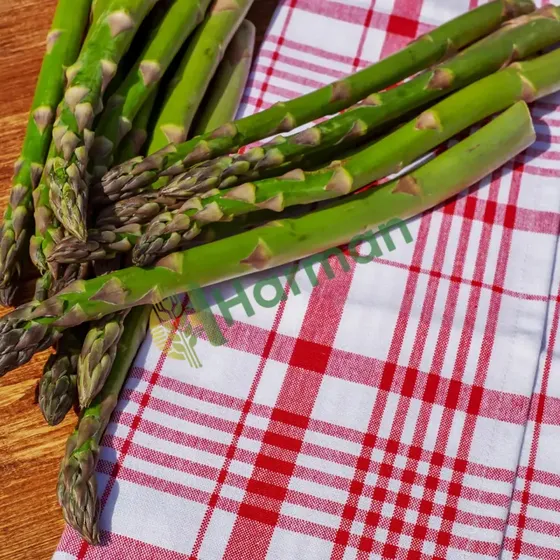
Asparagus is a hardy, long-lived perennial vegetable that can produce tender spears from the same bed for 15 to 20 years or more once established. Home gardeners across most of the United States grow it because a single planting rewards them with an early-spring harvest year after year, long before most other vegetables are ready. Because the plants live so long, it pays to choose the site carefully and prepare the bed well before planting.
When and how to plant
Asparagus is almost always started from one-year-old dormant crowns set out in early spring as soon as the soil can be worked; starting from seed adds an extra year before harvest. Choose a permanent, sunny spot with at least six to eight hours of direct sun and deep, well-drained soil, since standing water rots the crowns. Dig a trench about 6 to 8 inches deep, set the crowns 12 to 18 inches apart with roots spread out, and space rows about 4 to 5 feet apart. Cover the crowns with 2 to 3 inches of soil at first, then gradually fill in the trench as the shoots grow through the season.
Care
Keep the bed evenly moist during the first two seasons while the crowns establish, providing roughly an inch of water per week from rain or irrigation, and water deeply during dry spells in later years. Work compost or aged organic matter into the soil before planting and top-dress the bed each spring and again after the harvest season to support the ferny summer growth that feeds next year's crop. A layer of mulch conserves moisture and holds down weeds, which compete strongly with young asparagus, so pull weeds by hand or cultivate shallowly to avoid damaging the crowns. Let the tall summer ferns grow undisturbed all season, then cut the dead, yellowed stalks to the ground in late fall or early winter.
Common problems
The most common pest is the asparagus beetle, which chews spears and lays dark eggs on them; handpicking beetles and eggs and cleaning up old fern debris in fall reduces their numbers the following year. Fungal issues such as rust and crown or root rot are most likely in crowded, poorly drained beds, so good spacing, full sun, and well-drained soil are the best prevention. Removing and destroying old ferns at the end of the season also helps break the cycle of many diseases.
Harvest
Do not harvest any spears the first year and take only a light cutting for about two weeks the second year; the first full harvest comes in the third year, when you can cut for six to eight weeks. Snap or cut spears at or just below the soil line when they are 6 to 8 inches tall and still tight-tipped, and stop harvesting once new spears come up thin and spindly so the plants can build energy. Store freshly cut spears upright or wrapped in the refrigerator and use them within a few days for the best flavor and texture.
Growing Asparagus in containers
Asparagus is poorly suited to typical containers because it is a long-lived perennial with deep roots and needs several years to become productive. If growing it in a pot, use a very large container, at least 20 gallons and 18 to 24 inches deep, with excellent drainage and rich potting mix. Keep it evenly moist, feed annually with compost and balanced fertilizer, and expect lower yields and eventual repotting compared with an in-ground bed.
Watering & feeding Asparagus
Give about 1 to 1.5 inches of water per week during active spring and summer growth, including rainfall. Asparagus is average water use once established and moderately drought tolerant because of its deep roots, but new plantings need more consistent watering. Water deeply and less often to encourage deep roots, directing water to the soil rather than routinely wetting foliage. Mulch conserves moisture and suppresses weeds, while thin, weak growth can indicate drought and yellowing plants in persistently wet ground can indicate poor drainage.
Asparagus is a moderate feeder that performs best in deep, well-drained soil enriched with compost before planting. Nitrogen supports fern growth after harvest, while phosphorus and potassium should be adequate from soil preparation or a soil test. Incorporate compost before establishing the bed, then feed lightly in early spring and again after the harvest period to support fern growth. Avoid heavy nitrogen before or during prolonged harvest, and do not overfertilize young crowns. Let the ferny foliage grow after harvest until it yellows naturally, since it feeds next year's spears. Keep irrigation steady through summer, especially for new beds and during prolonged heat.
Saving Asparagus seeds
Save seed from open-pollinated asparagus if you accept variable seedlings, since F1 hybrids do not come true and asparagus is naturally genetically diverse. Asparagus plants are usually male or female, so female plants need nearby male plants for berries and the resulting seedlings may differ from the parent plants. Harvest red, ripe berries in fall, mash them in water to release the seeds, rinse away pulp, and dry the seeds thoroughly. Store dry seed cool and dry for about three years; home gardeners often buy seed or crowns instead of maintaining plants specifically for seed.
Asparagus companion plants
Established asparagus beds can be underplanted lightly with parsley, basil, lettuce, spinach, or early radishes, which use space before the asparagus ferns fill out. Tomatoes are often grown near asparagus because the crops occupy the season differently, but keep adequate spacing and do not rely on the pairing for pest control. Avoid deep-rooted, spreading, or highly competitive plants, including potatoes and vigorous perennial weeds, because asparagus crowns need an undisturbed bed. Keep asparagus away from heavy brassica plantings if crop rotation and disease management are difficult, since the permanent bed is best kept simple and accessible.
When to plant Asparagus near you
Get the exact start-indoors, transplant, and fall planting dates for Asparagus at your location.
Frequently asked questions about Asparagus
When should I plant Asparagus?
In most US regions, plant Asparagus crowns in early spring once the soil can be worked, typically around your last frost date. In mild-winter areas like the South and West Coast, late winter planting also works well.
How long does Asparagus take to grow before I can harvest?
Asparagus is a long-term investment that takes patience. Avoid harvesting the first year after planting crowns, take only a light harvest in year two, and expect full harvests from year three onward, with beds producing for 15 to 20 years or more.
How much sun does Asparagus need?
Asparagus grows best in full sun, meaning at least 6 to 8 hours of direct light per day. It tolerates a little afternoon shade, but too much shade weakens the spears and reduces yields over time.
How far apart should I space Asparagus plants?
Space Asparagus crowns roughly 12 to 18 inches apart in trenches, with rows about 3 to 4 feet apart. Giving them room improves air circulation and lets the ferns fully develop to feed the roots for next year.
Can I grow Asparagus in containers?
You can grow Asparagus in large containers, but it is challenging because the plants are perennial and need deep root space and years to establish. Use the biggest, deepest container you can manage, and know that yields are usually lower and shorter-lived than in a garden bed.
How do I know when Asparagus is ready to harvest?
Harvest spears when they reach about 6 to 8 inches tall and the tips are still tight and closed, snapping or cutting them at ground level. Stop harvesting when new spears become thin, generally after 6 to 8 weeks, and let the remaining ferns grow to recharge the roots.
General guidance for US home gardens. Reference figures are typical values; your exact timing depends on your local frost dates and variety. Page updated Sep 18, 2026.