
Asparagus Pests & Diseases
Asparagus is a long-lived perennial, so the same bed faces the same pests and diseases year after year, which makes sanitation and resistant varieties especially important. The biggest challenges are asparagus beetles feeding on spears and ferns, plus asparagus rust and Fusarium crown rot that slowly weaken the planting over time.
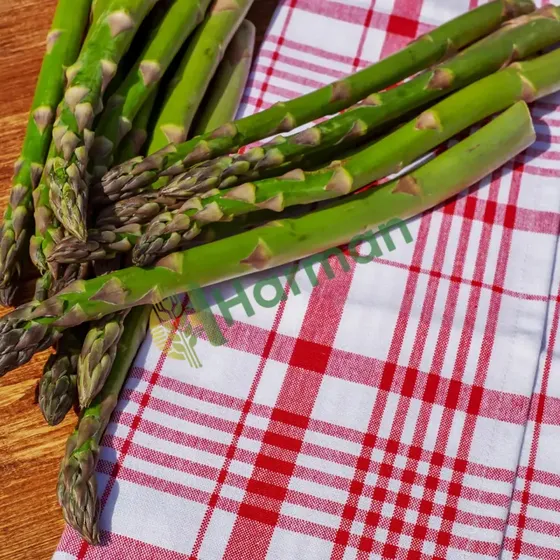
Common Asparagus pests
The common asparagus beetle (Crioceris asparagi) is the main pest, a shiny blue-black beetle about a quarter inch long with cream or yellow spots and reddish margins. It chews spears, leaving brown scars and bent, hooked tips, and glues rows of dark, upright eggs onto the spears. Its gray to olive, slug-like larvae feed on the summer ferns and can strip them bare. The spotted asparagus beetle (Crioceris duodecimpunctata) is reddish-orange with black spots and its larvae feed inside the berries. Cutworms may sever emerging spears at the soil line, and slugs, aphids, and Japanese beetles can also damage tender growth and foliage.
Common diseases
Asparagus rust (Puccinia asparagi) is the most familiar disease, appearing as reddish-brown, powdery pustules on stems and ferns that later turn into black overwintering spores, causing early yellowing and dieback. Fusarium crown and root rot (Fusarium oxysporum and F. proliferatum) causes yellowing, wilting, stunted spears, and reddish-brown lesions on roots and crowns, gradually thinning the bed. Purple spot (Stemphylium) produces small, sunken, purple to tan lesions on spears and ferns, especially in wet springs. Phytophthora and other crown rots can cause soft, water-soaked, collapsing spears in poorly drained soil.
Prevention
Because asparagus stays in place for a decade or more, start with a sunny, well-drained site and rust and Fusarium tolerant varieties such as the Jersey series. Space and thin the ferns for good airflow so foliage dries quickly, and water at the base rather than overhead. In late fall or winter, after the ferns die back, cut them to the ground and remove and destroy the debris to reduce overwintering beetles and rust spores. Avoid over-harvesting young plantings so the crowns stay vigorous, and remove any volunteer or wild asparagus nearby that can harbor pests and rust.
Organic control
During harvest, hand-pick adult beetles into soapy water and crush the dark eggs off the spears, and later knock larvae off the ferns, where they often fail to climb back up. Protect and encourage natural enemies, including lady beetles and the tiny parasitic wasp Tetrastichus asparagi that attacks beetle eggs. For heavy larvae pressure, insecticidal soap, neem, or a spinosad product labeled for asparagus can help, but always read and follow the product label. For rust, rely first on resistant varieties, airflow, and fall sanitation, and use a labeled sulfur fungicide only as directed if pressure stays high.
Scouting & monitoring
Scout the spears daily during the harvest season for beetles, chewing scars, and the rows of upright dark eggs, since early hand-picking keeps populations low. After harvest, check the ferns weekly for larvae, defoliation, and the reddish-brown rust pustules, and watch for yellowing or wilting fronds that can signal Fusarium. Inspect new spears each spring for purple spot lesions and for soft, collapsing tips after wet weather.
Tips
Fall cleanup is your best tool. Cutting and removing the dead ferns every year breaks the life cycle of both asparagus beetles and rust. Pair resistant varieties with daily hand-picking through the harvest window and you can manage most problems without reaching for stronger sprays.
General home-garden IPM guidance, focused on prevention and least-toxic control. Always read and follow the product label for any pesticide, including organic products. Page updated Sep 18, 2026.