
How to Store Chayote
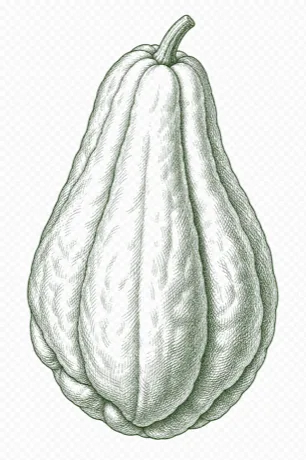
Chayote stores far better than tender summer squash thanks to its firm flesh and thin skin. Handle fruits gently to avoid bruising, which shortens how long they keep.
Best storage conditions
Keep chayote cool but not cold, ideally around 50 to 55 degrees Fahrenheit with high humidity near 85 to 90 percent. It is chilling sensitive, so avoid storing below about 45 degrees Fahrenheit for long, as cold can cause pitting and off texture. A cool pantry or the warmest part of the refrigerator works well.
How long it keeps
Under good cool, humid conditions, whole unwashed fruits commonly hold for several weeks and often up to a month or two. Fruits left too warm may begin to sprout from the seed end, which is natural but softens the flesh.
Storage methods
Store fruits whole and dry, loosely wrapped in a paper towel or perforated bag to buffer moisture without trapping condensation. Do not wash until you are ready to use them. Cut pieces should be wrapped and refrigerated and used within a few days.
Freezing & preserving
Chayote can be frozen after peeling, cubing, and blanching briefly, then cooling and packing into freezer bags, though texture softens on thawing and suits cooked dishes best. It is a low-acid vegetable, so any canning must follow tested USDA or National Center for Home Food Preservation (NCHFP) recipes using a pressure canner, and it is not safe to can with a boiling-water bath unless pickled by a tested recipe. Pickling in a tested brine is a popular way to preserve it, and it can also be dried, though drying is less common.
Tips
Choose the firmest, most unblemished fruits for storage and set aside any that are soft or nicked for eating first. Keep stored fruits out of direct light to slow sprouting. If a fruit begins to sprout, you can still cook it if the flesh is firm, or pot it up to grow a new vine.
General home-storage guidance. For home canning and preserving safety, follow USDA and National Center for Home Food Preservation (NCHFP) guidelines. Page updated Sep 18, 2026.