
Sunchokes Nutrition & Uses
The following describes the general composition of raw sunchokes and is not a health claim. Figures are drawn from USDA FoodData Central and given as typical values.
Nutritional profile
According to USDA FoodData Central, raw sunchokes are roughly 78 percent water and supply about 73 to 76 calories per 100 grams. They contain dietary fiber and store much of their carbohydrate as inulin rather than starch. USDA data lists them as a source of minerals such as iron and potassium, along with thiamin and some vitamin C.
In the kitchen
Sunchokes are eaten both raw and cooked, and their flavor shifts from crisp and nutty raw to soft and sweet when heated. Slice them thin into salads and slaws for crunch, roast chunks with olive oil until caramelized, or simmer and puree them into a silky soup. They also mash well alongside potatoes, bake into a creamy gratin, or fry into thin chips.
Choosing & preparing
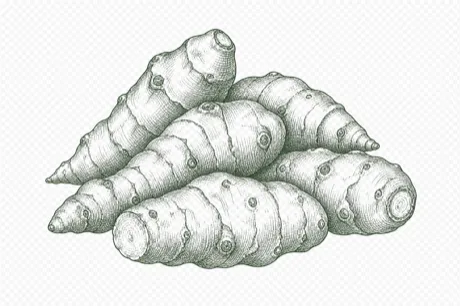
Choose sunchokes that are firm and feel heavy for their size, with tight skin and no soft spots, wrinkling, or green tint. Smoother, less knobby tubers are far easier to scrub and peel, so pick those when you have the choice.
Flavor pairings
Sunchokes pair well with butter, olive oil, garlic, and lemon, and with herbs like thyme and rosemary. They stand up to Parmesan and cream in gratins and complement roast chicken, pork, and beef as a side.
Tips
Scrub sunchokes well under running water to clean the crevices; peeling is optional since the skin is thin and edible. The cut flesh browns fast, so drop peeled or sliced pieces into water with a splash of lemon juice or vinegar until you cook them.
General food-composition information based on USDA FoodData Central. This is not medical or dietary advice; for personal guidance, consult a registered dietitian or your doctor. Page updated Sep 18, 2026.