
Growing guide · Vegetable
How to Grow Sunchokes
Days to maturity130 days
Spacing18 in
SeasonCool-season
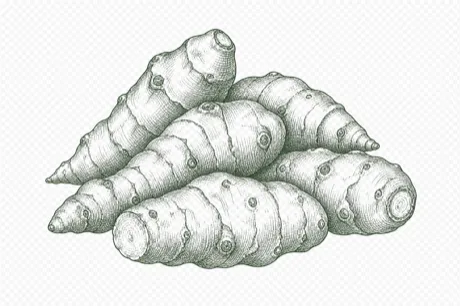
Sunchokes, also called Jerusalem artichokes, are the knobby tubers of a hardy North American perennial sunflower that many US gardeners plant once and harvest for years. The plants shoot up into 6 to 10 foot stalks topped with small yellow sunflowers by late summer, so a single row doubles as a living privacy screen along a fence. The tubers themselves are crisp and nutty, with a texture close to a water chestnut when eaten raw. Because the plant is so vigorous and cold hardy, it is one of the easiest food crops for beginners and busy gardeners.
When and how to plant
Plant whole tubers or tuber pieces in early spring, generally 2 to 4 weeks before your last frost date, as soon as the soil can be worked. Sunchokes are grown from tubers rather than seed, so there is no indoor start; set pieces about 4 to 6 inches deep with the eyes facing up. Choose a spot in full sun with loose, well drained soil, though they tolerate poor and heavy ground better than most vegetables. Pick the location carefully, because any tuber left behind will resprout and the patch will return year after year.
Care
Water sunchokes during extended dry spells, especially from midsummer on when the tubers are bulking up, but they need little pampering otherwise. Feeding is rarely necessary, and too much nitrogen just produces tall leafy stalks at the expense of tubers, so go light on fertilizer. Space plants about 18 inches apart in rows, since they spread quickly and can crowd out neighbors. The tall stalks may lean or fall in exposed sites, so stake them or plant against a fence, and consider a buried barrier or a dedicated bed to keep the patch contained.
Common problems
Sunchokes are among the most trouble free crops in the US garden and are seldom bothered by serious pests. You may see aphids or occasional leaf spots and powdery mildew on the foliage late in the season, and sclerotinia stem rot can appear in wet ground. Good spacing for airflow, decent drainage, and cleaning up old stalks at the end of the year usually keep issues minor. The most common headache is the plant itself, which can become invasive, so remove stray sprouts and dig thoroughly if you want to relocate the patch.
Harvest
Harvest sunchokes in fall after the first hard frost, once the tops have yellowed and died back, which is when the tubers are largest and sweetest. Loosen the soil with a garden fork and lift the clustered tubers by hand, working carefully so you do not slice through them. In most of the US you can leave the crop in the ground under a thick mulch and dig fresh tubers through winter whenever the soil is workable. Save a few tubers in place and the patch will regrow on its own the following spring.
Growing Sunchokes in containers
Sunchokes can grow in very large containers, but their height and spreading tubers make them less convenient than many vegetables. Use a container at least 20 gallons and 18 to 24 inches deep, with drainage holes, filled with loose, fertile potting mix. Keep soil evenly moist, especially while shoots establish, and use a light balanced fertilizer once or twice during growth. Choose short-season or compact Jerusalem artichoke selections when available, and harvest after frost before crowded tubers become difficult to separate.
Watering & feeding Sunchokes
Provide about 1 inch of water per week from rain and irrigation in most garden soils, increasing during extended heat or drought. They are moderately drought tolerant after establishment, rather than truly thirsty plants. Water deeply at the soil level so moisture reaches the developing tubers, then let the upper soil surface dry slightly between waterings. Mulch helps conserve moisture and limit weeds, and persistently soggy soil can encourage rot while wilting or dry, crumbly soil signals insufficient water.
Sunchokes are moderate feeders and grow well in soil amended with finished compost before planting. They need balanced fertility, but excessive nitrogen can produce very tall leafy growth at the expense of tubers. Work compost into the bed before planting, then side-dress lightly with compost or a balanced garden fertilizer only if growth is weak or soil is poor. Avoid repeated high-nitrogen feeding later in summer as tubers begin to develop. Keep young plants evenly moist until they have a strong root system. Stop routine feeding by midseason and focus on consistent watering instead.
Saving Sunchokes seeds
Sunchokes are normally propagated by tubers, not seed, and seedlings will not reliably match the parent plant. Let a few flower heads dry fully on the plant, then cut and rub apart the heads to free the small seeds. Screen out chaff and dry seeds indoors for another week before sealing them in a cool, dry place. Seed is mainly useful for breeding and usually remains viable for about 1 to 3 years, while storing sound tubers is the practical way to preserve a favorite variety.
Sunchokes companion plants
Plant sunchokes beside early, low crops such as lettuce, radishes, or peas, which can be harvested before the tall plants cast heavy shade. Their late-season flowers also provide pollen and nectar for pollinators. Keep them at the edge of the garden because their rhizomes spread vigorously and they can shade or crowd nearby vegetables. Avoid planting them close to sunflowers, which compete strongly for light and share some insect and disease pressures.
When to plant Sunchokes near you
Get the exact start-indoors, transplant, and fall planting dates for Sunchokes at your location.
Frequently asked questions about Sunchokes
When should I plant Sunchokes?
Plant Sunchoke tubers in early spring, usually two to four weeks before your last expected frost, once the soil can be worked. In mild-winter regions you can also plant in fall for an earlier start the following season.
How long do Sunchokes take to grow?
Sunchokes typically need about a full growing season, often around 4 to 5 months from spring planting, to form a good crop of tubers. They are ready to dig in fall after the plants flower and the foliage begins to die back.
How much sun do Sunchokes need?
Sunchokes grow best in full sun, ideally 6 or more hours of direct light per day, which gives you the tallest plants and the largest tuber yield. They will tolerate part shade but produce fewer and smaller tubers.
How far apart should I space Sunchokes?
Plant tubers roughly 12 to 18 inches apart in rows about 3 feet apart, setting each piece a few inches deep. Because they can reach 6 to 10 feet tall, give them room and a spot where their shade will not block shorter crops.
Can Sunchokes grow in containers?
Yes, Sunchokes do well in large containers such as a half-barrel or a 15 to 20 gallon pot with good drainage. A container also helps keep this vigorous, spreading plant from taking over a garden bed.
How do I know when Sunchokes are ready to harvest?
Harvest Sunchokes in fall once the plants have flowered and the tops have yellowed and died back, usually after the first frost, which improves flavor. Dig carefully around the base, and note that any tubers left in the ground will resprout the next spring.
General guidance for US home gardens. Reference figures are typical values; your exact timing depends on your local frost dates and variety. Page updated Sep 18, 2026.