
Summer Savory Nutrition & Uses
Summer savory is used in small amounts as a seasoning, so it contributes flavor far more than meaningful quantities of nutrients to a dish. The notes below describe its general composition only, as reported by USDA FoodData Central.
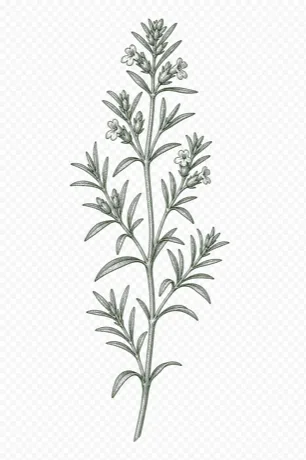
Nutritional profile
According to USDA FoodData Central, fresh culinary herbs like savory are very low in calories per typical pinch and are high in water when fresh, while the dried form is concentrated and low in moisture. On a per-100-gram basis the dried herb is high in dietary fiber and reported to contain vitamins including vitamin A and vitamin C along with minerals such as calcium, iron, and potassium, but because it is used by the teaspoon the amount reaching a serving is small. Treat these figures as general composition data rather than a measure of what one seasoned dish provides.
In the kitchen
Summer savory has a warm, peppery flavor between thyme and marjoram, and it is added during cooking so the taste melds into the food. It is the traditional herb for green beans and dried bean dishes, and it also seasons lentil and split pea soups, sausages and stuffings, roasted potatoes, egg dishes, and simple vinaigrettes. Add fresh chopped leaves near the end of cooking for brightness, or add whole dried sprigs early to a long simmer and remove the woody stems before serving.
Choosing & preparing
Choose fresh sprigs with firm, upright stems and small green leaves that smell distinctly peppery and aromatic, avoiding any that look wilted, yellowed, or slimy. For dried savory, pick a jar with a strong scent and good green-gray color, since faded, dusty-looking dried herbs have usually lost much of their flavor.
Flavor pairings
It pairs naturally with beans and legumes of all kinds, and works well with pork, poultry, sausages, eggs, tomatoes, onions, and hearty greens. Among herbs it blends nicely with thyme, marjoram, rosemary, and parsley, and it is a common component of herb blends used in Central and Southern European cooking.
Tips
Because summer savory is milder and more delicate than the winter savory, add it a little more generously and taste as you go. Start with a small pinch of the dried herb, since drying concentrates the flavor, and add fresh leaves late so their aroma is not cooked away.
General food-composition information based on USDA FoodData Central. This is not medical or dietary advice; for personal guidance, consult a registered dietitian or your doctor. Page updated Sep 18, 2026.