
Growing guide · Herb
How to Grow Summer Savory
Days to maturity60 days
Spacing6 in
SeasonWarm-season
Start indoors6 wk pre-frost
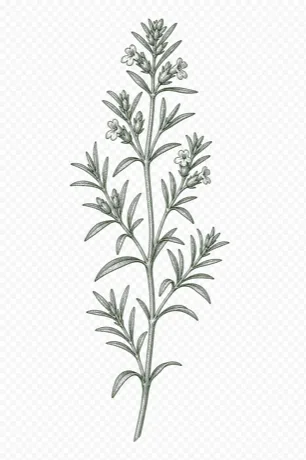
Summer savory is a warm-season annual herb that US gardeners grow for its peppery, thyme-like flavor that is a classic partner for green beans and dried beans, which is how it earned the old nickname the bean herb. The plant forms a slender, upright bush about 12 to 18 inches tall with narrow bronze-green leaves and tiny pale pink to white flowers that bees visit through the summer. It is fast, tidy, and easy enough for a first-time herb bed or a sunny container on the patio.
When and how to plant
Because frost kills it, treat summer savory as a warm-season crop and plant only after the danger of spring frost has passed and the soil has warmed. You can direct sow the fine seeds outdoors around your last frost date, pressing them into the surface since they need light to germinate, or start seeds indoors about 6 weeks earlier and set out transplants once nights stay mild. Give it full sun, at least 6 hours a day, and light, well-drained soil of average fertility with a near-neutral pH; heavy, soggy ground leads to weak, floppy growth.
Care
Summer savory is not thirsty once established, so water when the top inch of soil dries and avoid keeping the roots constantly wet. It performs best in lean to average soil and needs little feeding; too much nitrogen produces lush leaves with weaker flavor, so skip heavy fertilizer. Thin or space plants about 6 inches apart for good airflow, and pinch the growing tips early to encourage a bushier, more productive plant that rarely needs staking.
Common problems
This herb has few serious problems, but aphids can cluster on tender new shoots and are easily knocked back with a strong spray of water. In damp, crowded conditions root rot or powdery mildew can appear, so the simplest prevention is full sun, well-drained soil, and enough spacing for leaves to dry quickly after rain or morning dew. Avoid overhead watering late in the day and pull any weeds that reduce air movement around the base.
Harvest
You can begin snipping sprigs as soon as the plant is 6 inches tall and bushy, and flavor is often at its peak just as the flower buds start to form. Harvest in the morning after the dew dries by cutting stems with scissors or pinching the top few inches, which also keeps the plant branching. For a large batch to dry, cut whole stems back by about half and the plant will usually flush again before frost.
Growing Summer Savory in containers
Summer savory is well suited to small containers and thrives in warm, sunny conditions. Use a pot at least 6 to 8 inches deep with drainage holes and a fast-draining potting mix. Water only after the upper inch of soil dries, and fertilize sparingly because rich soil can reduce its concentrated growth. Sow directly or transplant a few seedlings, then pinch tips to keep plants bushy.
Watering & feeding Summer Savory
Supply about 1 inch of water per week while plants are establishing, then let the soil dry somewhat between waterings. It is fairly drought tolerant once rooted, but it still needs water during prolonged hot, dry weather. Water at the base in the morning and avoid keeping the soil constantly wet. A light mulch can limit splashing and conserve moisture, but do not bury stems; wilted plants with dry soil need water, while yellowing or limp plants in wet soil may be overwatered.
Summer savory is a light feeder and usually needs little beyond compost worked into the bed before planting. Very fertile soil or excessive nitrogen can produce lush growth with less concentrated flavor. Add a modest amount of compost at planting, then usually skip further fertilizer in reasonably fertile garden soil. If container plants become pale and growth slows, use a light feeding once during the season. Grow it in full sun and avoid rich, soggy locations. Let the top layer of soil dry before watering again.
Saving Summer Savory seeds
Open-pollinated or heirloom summer savory comes true from seed, while F1 hybrids do not. Let the annual plants flower, wait until the seed clusters turn brown and dry, then cut stems into a bag or onto a screen and rub out the tiny seeds. Finish drying for a week or two, clean away chaff, and store cool, dark, and dry for roughly 3 to 5 years.
Summer Savory companion plants
Summer savory is a good companion for bush beans, because both like full sun and savory stays relatively compact without competing much for vertical space. It also works well along edges near onions, carrots, and flowering annuals, where its blooms can provide small resources for beneficial insects. The traditional bean pairing is common, but evidence for a specific insect-repellent effect is less certain than its value as a low-growing, easy-to-manage neighbor. Avoid planting it in the shade of tall crops or beside aggressive spreading herbs, which reduce its growth through light and root competition.
When to plant Summer Savory near you
Get the exact start-indoors, transplant, and fall planting dates for Summer Savory at your location.
Frequently asked questions about Summer Savory
When should I plant Summer Savory?
Sow Summer Savory outdoors after your last spring frost date, once the soil has warmed. In most US regions this falls in mid to late spring, and you can also start seeds indoors a few weeks before the last frost to get a head start.
How long does Summer Savory take to grow?
Summer Savory is a fast annual that is usually ready for its first light harvest about 6 to 8 weeks after sowing. Seeds typically germinate in one to two weeks in warm soil.
How much sun does Summer Savory need?
Summer Savory grows best in full sun, meaning roughly 6 or more hours of direct light per day. It tolerates a little afternoon shade but produces the most flavorful foliage in a bright, warm spot.
How far apart should I space Summer Savory plants?
Thin or transplant seedlings to about 6 to 12 inches apart so the slender plants have room and good airflow. Sow seeds shallowly, since they need light and warmth to sprout well.
Can I grow Summer Savory in containers?
Yes, Summer Savory does well in pots and is a good fit for patios and sunny windowsills. Use a container with drainage holes and a well draining potting mix, and water when the top inch of soil feels dry.
How do I know when to harvest Summer Savory?
Begin snipping sprigs once plants are several inches tall and bushy, and harvest most heavily just before the plant flowers when the flavor is strongest. Regular cutting encourages fresh new growth throughout the season.
General guidance for US home gardens. Reference figures are typical values; your exact timing depends on your local frost dates and variety. Page updated Sep 18, 2026.