
Sorrel Nutrition & Uses
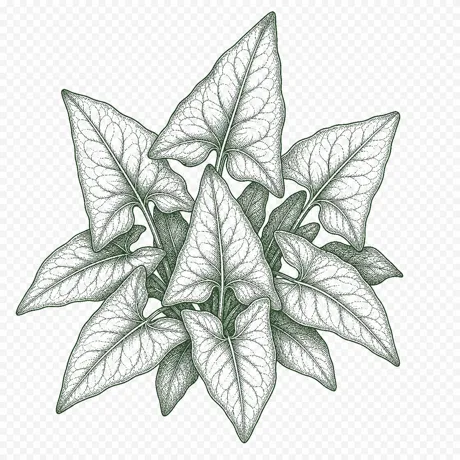
Sorrel is a low-calorie leafy green with a distinctive tart, lemony flavor that comes from its natural acids. The following is a general description of its composition, based on USDA FoodData Central data for raw sorrel.
Nutritional profile
According to USDA FoodData Central, raw sorrel is very low in calories and high in water, with a modest amount of dietary fiber. Its composition includes vitamin C and vitamin A, along with some vitamin B6, folate, and minerals such as potassium, magnesium, and iron. Sorrel also naturally contains oxalic acid, which contributes to its sour taste. As a tangy green often used in small amounts as a seasoning or accent, the amount eaten in a single dish is usually modest.
In the kitchen
Sorrel is prized for the sharp, citrusy note it brings to both raw and cooked dishes, and it turns from bright green to a drab olive when heated. Young raw leaves add zing to green salads, sandwiches, and slaws, while chopped leaves stir into soft scrambled eggs, potato salads, or grain bowls. The classic use is a French-style sorrel soup or a smooth sorrel sauce for fish such as salmon or trout, where the leaves are melted down in butter and cream. It also works pureed into a spring pesto, folded into risotto near the end of cooking, or blended into a tangy green salsa verde.
Choosing & preparing
Choose sorrel with crisp, brightly colored leaves that show no yellowing, sliminess, or dark mushy spots. Smaller, younger leaves are more tender and milder, while very large leaves tend to be tougher and more sharply sour. If you are buying it at a farmers market, look for freshly cut bunches that have not wilted.
Flavor pairings
Sorrel pairs especially well with eggs, butter, cream, and mild soft cheeses, all of which round out its sharpness. It is a natural match for fish and shellfish, and it complements potatoes, spring peas, asparagus, and fresh herbs like chives, tarragon, and parsley. Its brightness also cuts through rich dishes and creamy soups.
Tips
Add sorrel near the end of cooking to keep its flavor lively, since long cooking mutes the tang and dulls the color. Use stainless steel, glass, or enameled cookware rather than reactive aluminum or cast iron, which can pick up a metallic taste from the acidic leaves. Because the flavor is strong, start with a small amount and add more to taste.
General food-composition information based on USDA FoodData Central. This is not medical or dietary advice; for personal guidance, consult a registered dietitian or your doctor. Page updated Sep 18, 2026.