
Growing guide · Vegetable
How to Grow Sorrel
Days to maturity60 days
Spacing12 in
SeasonCool-season
Start indoors6 wk pre-frost
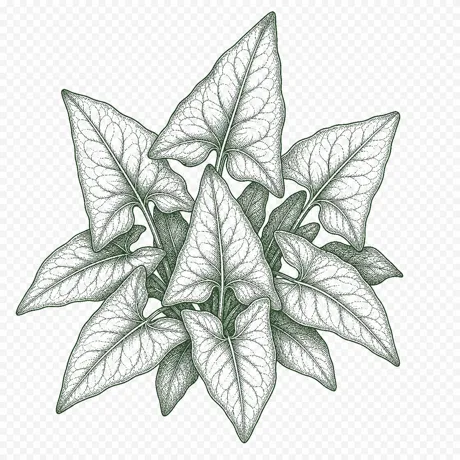
Sorrel is a hardy perennial green that US gardeners grow for its bright, lemony tang, a sourness that comes through the moment you bite a raw leaf. It is one of the earliest greens to green up in spring, often pushing out fresh shoots while the rest of the garden is still bare. Once established, a single clump can keep sending up tender leaves for several years, which makes it a favorite in a corner of the herb or vegetable bed. Common types include broad-leaf garden sorrel and the smaller, shield-leaved French sorrel.
When and how to plant
Sorrel is a cool-season crop that shrugs off light frost, so plant it in early spring as soon as the soil can be worked, generally a few weeks before your last spring frost. You can direct sow seeds about a quarter inch deep, set out transplants started indoors roughly six weeks earlier, or plant divisions from an established clump. Choose a spot with full sun in cooler regions or afternoon shade in hot-summer areas, and give it fertile, moisture-retentive soil rich in organic matter with a slightly acidic to neutral pH. In the South and other hot zones, a fall planting often performs better than a summer one.
Care
Keep the soil evenly moist, since steady water keeps the leaves tender and mild while drought turns them tough and pushes the plant to bolt. Thin or space plants about 12 inches apart so each clump has room to fill out, and work compost into the bed at planting with a light feeding of balanced fertilizer or aged manure through the growing season. No staking or support is needed. Pinch off the tall flower stalks as they appear to keep the plant producing leaves rather than going to seed, and divide crowded clumps every three or four years in early spring or fall.
Common problems
Sorrel is largely trouble-free, but aphids can cluster on new growth and are easily knocked back with a strong spray of water or insecticidal soap. Slugs and snails may chew ragged holes in the leaves, especially in damp, shaded beds, so keep mulch pulled back from the crown and hand-pick in the evening or use traps. Leaf miners occasionally tunnel pale trails through the foliage; remove and discard affected leaves. Good spacing and airflow, plus avoiding overhead watering late in the day, help prevent rust and leaf spots in humid regions.
Harvest
Begin harvesting once plants are established and leaves reach a usable size, often within about two months of sowing, and pick young to medium leaves for the best flavor. Harvest with the cut-and-come-again method, snipping or pinching the outer leaves at the base while leaving the central crown to keep producing. Younger leaves are milder and more tender, while older ones grow tougher and more sharply sour, so pick regularly to keep new growth coming. In hot weather the plant may pause and turn bitter, but it usually bounces back with a fresh flush as temperatures cool.
Growing Sorrel in containers
Sorrel is an excellent, long-lived container herb or leafy green. Use a pot at least 10 to 12 inches wide and 8 to 10 inches deep with drainage holes and fertile, moisture-retentive potting mix. Keep soil evenly moist, feed lightly in spring and after heavy harvesting, and divide or refresh the plant when the crown becomes crowded.
Watering & feeding Sorrel
Give sorrel about 1 inch of water per week, with extra water during prolonged heat or drought. It has average water needs and tolerates short dry periods once established, but leaf production is best with steady moisture. Water deeply at the base when the top inch or so of soil begins to dry, and mulch to retain moisture and protect shallow roots. Morning watering is preferable, and wilted or tough leaves point to drought stress, while yellowing and limp growth in wet soil can point to overwatering.
Sorrel is a light feeder that benefits from compost worked into the soil before planting. Moderate nitrogen supports leaf growth, but fertile, well-drained soil is more important than frequent fertilizer. Add compost at planting and top-dress with compost in spring for established plants. Feed again only lightly after repeated harvests or if growth is pale and slow, and avoid heavy nitrogen applications. Harvest outer leaves regularly to keep plants productive. Divide older clumps every few years and refresh the bed with compost.
Saving Sorrel seeds
Sorrel can be saved from open-pollinated plants, but gardeners often propagate favored plants by division, and F1 hybrids do not come true from seed. Let flower stalks mature until the seed clusters are brown and dry, then cut them before seeds shed and dry them further indoors. Rub or thresh the clusters to release the seeds, remove chaff, and store fully dry seed cool and dry. Sorrel seed commonly remains viable for about 3 to 4 years, and only female plants set seed in dioecious sorrel types.
Sorrel companion plants
Sorrel is a compact perennial that can share a bed edge with strawberries, chives, or small flowering plants such as sweet alyssum, provided it receives adequate sun. These companions use different canopy levels, and flowers can support pollinators and beneficial insects. Crop-specific sorrel companion evidence is limited, so avoid placing it beneath tall or aggressive perennials that shade and outcompete it, and give established sorrel clumps their own space.
When to plant Sorrel near you
Get the exact start-indoors, transplant, and fall planting dates for Sorrel at your location.
Frequently asked questions about Sorrel
When should I plant Sorrel?
Sorrel is a cool-season perennial that is best planted in early spring as soon as the soil can be worked, typically a few weeks before your last frost date. In mild-winter regions you can also start it in late summer or fall for a cool-season harvest.
How long does Sorrel take to grow from seed?
Sorrel seeds usually germinate in about 1 to 2 weeks, and you can begin picking young leaves roughly 6 to 8 weeks after sowing. As a perennial, established plants come back each spring and produce for several years.
How much sun does Sorrel need?
Sorrel grows best in full sun but tolerates partial shade, which is actually helpful in hot summer regions. In warm climates, a spot with afternoon shade helps keep the plants from bolting too quickly.
How far apart should I space Sorrel plants?
Space Sorrel plants about 8 to 12 inches apart in rows set 18 inches or so apart, giving each clump room to form a full rosette. Thin seedlings early so the remaining plants have space to spread as they mature.
Can I grow Sorrel in containers?
Yes, Sorrel does well in containers as long as the pot is at least 8 to 10 inches deep to accommodate its taproot. Use a quality potting mix, keep it evenly moist, and place the container where it gets full sun to partial shade.
How do I know when Sorrel is ready to harvest?
Harvest Sorrel once the leaves are about 4 to 6 inches long, picking the outer leaves first so the center keeps producing. Younger leaves are the most tender and tangy, so pick regularly and remove any flower stalks that appear to keep new growth coming.
General guidance for US home gardens. Reference figures are typical values; your exact timing depends on your local frost dates and variety. Page updated Sep 19, 2026.