
Shiso Nutrition & Uses
Shiso is used as a garnish, wrap, or seasoning in small amounts, so it adds flavor and color more than bulk to a dish. The notes below describe its general composition only.
Nutritional profile
According to USDA FoodData Central, perilla (shiso) leaves are very low in calories and are mostly water, with a small amount of dietary fiber. They contain vitamins including vitamin A (from carotenoids), vitamin C, and vitamin K, along with minerals such as calcium, potassium, and iron. Because shiso is typically eaten by the leaf or the pinch rather than by the cup, its contribution to a meal's overall nutrition is modest.
In the kitchen
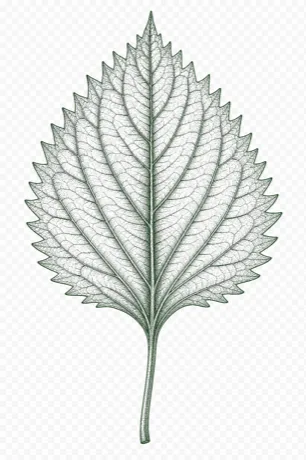
Shiso is used both raw and lightly cooked. Whole green leaves make a classic wrap or bed for sashimi and sushi, are sliced thin as a garnish over rice bowls and cold noodles, or are battered and fried as a crisp tempura. Chopped leaves brighten salads, dressings, and cucumber pickles, while red shiso is famous for coloring and flavoring pickled ume plums. In Korean-style cooking, the broad perilla leaves are used to wrap grilled meats and rice.
Choosing & preparing
Choose leaves that look fresh and perky with vivid green or deep purple color and a strong clean fragrance. Avoid leaves that are wilted, yellowing, slimy, or heavily spotted, and check that the stems are not dried out.
Flavor pairings
Shiso pairs naturally with fish and seafood, rice, cucumber, ginger, garlic, sesame, tofu, and ume plum, and it stands up well to grilled beef and pork in wraps. Its minty, citrus-like note also works with cold summer dishes and fresh salads.
Tips
Add shiso near the end of cooking or use it raw, since prolonged heat fades its delicate aroma. Stack and roll several leaves, then slice crosswise into thin ribbons for an easy garnish.
General food-composition information based on USDA FoodData Central. This is not medical or dietary advice; for personal guidance, consult a registered dietitian or your doctor. Page updated Sep 18, 2026.