
Growing guide · Herb
How to Grow Shiso
Days to maturity70 days
Spacing10 in
SeasonWarm-season
Start indoors6 wk pre-frost
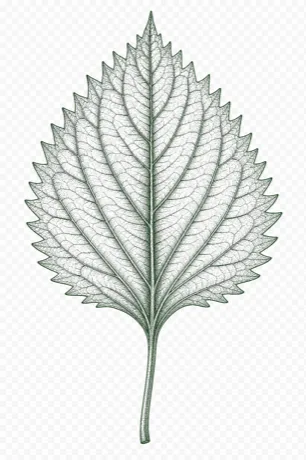
Shiso, also called perilla, is a warm-season Asian herb that US gardeners grow for its frilly, intensely aromatic leaves used in Japanese, Korean, and Vietnamese cooking. The green type (often sold as oba) has a bright, minty-citrus scent that makes a classic wrap for sashimi or a chopped garnish over rice, while the ruby-purple type turns a batch of pickled plums a vivid pink. It is easy to grow, reseeds itself readily in many gardens, and gives a big harvest from just a plant or two.
When and how to plant
Shiso is a heat-loving annual that frost kills, so plant it only after your last spring frost has passed and the soil has warmed. In most US gardens the easiest route is to start seeds indoors about six weeks before the last frost and set out transplants a week or so after frost, though you can also direct sow once nights stay mild. Seeds need light to germinate, so press them onto the surface and barely cover them. Give the plants full sun to part shade and moist, well-drained soil rich in organic matter.
Care
Keep the soil evenly moist, watering when the top inch begins to dry, since drought stress makes the leaves tough and bitter. A single feeding of balanced fertilizer or a side dressing of compost at planting is usually enough, and too much nitrogen dilutes the aroma. Space plants about ten inches apart for good airflow, and pinch out the growing tips regularly to keep them bushy and leafy. Staking is rarely needed, but tall late-season plants may lean and can be tied loosely if exposed to wind.
Common problems
The most common pests are flea beetles, which pepper the leaves with tiny holes, along with aphids, slugs, and Japanese beetles. Floating row cover over young plants, hand-picking, and a strong spray of water usually keep numbers in check. Leaves can develop rust or leaf spots in wet, crowded conditions, so space plants well, water at the base rather than overhead, and remove any badly spotted foliage. Healthy, well-spaced plants in full sun rarely have serious trouble.
Harvest
Begin picking once a plant has several sets of leaves and is growing strongly, usually within a couple of months of planting. Harvest the larger outer leaves first by pinching them off at the base of the leaf stem, and pinch back the growing tips to encourage branching and a longer harvest. Pick lightly and often through summer, taking no more than a third of the plant at once so it keeps producing tender new leaves.
Growing Shiso in containers
Shiso grows very well in containers and is easy to keep compact by harvesting frequently. Use a 1 to 3-gallon pot at least 8 to 10 inches deep for each plant, filled with fertile, well-drained potting mix. Keep the soil evenly moist, especially in summer heat, and feed lightly every 4 to 6 weeks. Green and red shiso types both perform well, and pinching flower buds extends leaf production.
Watering & feeding Shiso
Provide about 1 inch of water weekly, more during hot, dry weather or for container plants. Shiso is a thirsty herb and should not be allowed to wilt repeatedly. Water deeply at the soil level in the morning, letting the top inch of soil dry slightly between waterings. Mulch helps hold moisture, and containers may need water daily in heat. Drooping, dry leaf edges suggest underwatering, while yellowing and persistently wet soil suggest overwatering.
Shiso is a moderate feeder that appreciates compost mixed into the planting bed. Nitrogen supports leaf growth, while balanced phosphorus and potassium support roots and overall vigor. Work compost or a light, balanced garden fertilizer into the soil at planting. Side-dress lightly once or twice during active growth if leaves pale or growth slows. Avoid repeated high-nitrogen feeding, which can encourage weak, overly lush growth. Harvest regularly to encourage fresh growth. Use a moisture-retentive but well-drained potting mix for containers.
Saving Shiso seeds
Open-pollinated shiso usually comes true from seed, though nearby shiso types can cross, and F1 hybrids do not come true. Let flower spikes dry on the plant until the calyxes are brown, cut them before seed drops, then dry indoors and shake or rub the seeds free. Store fully dry seed cool, dark, and dry, and expect good germination for roughly 2 to 3 years.
Shiso companion plants
Grow shiso near peppers, eggplants, and other warm-season crops in a sunny or lightly shaded bed, where its broad leaves can fill moderate gaps between larger plants. If allowed to flower, shiso can provide nectar for pollinators and beneficial insects, although it is usually harvested before heavy flowering. Strong crop-specific companion claims for shiso are limited, so its main benefit is compatible use of space and floral habitat. Avoid planting it where it will be shaded by vigorous tomatoes or crowded by spreading mint, and remove flower heads if self-seeding would be a problem.
When to plant Shiso near you
Get the exact start-indoors, transplant, and fall planting dates for Shiso at your location.
Frequently asked questions about Shiso
When should I plant Shiso in my garden?
Plant Shiso outside after your last spring frost has passed and the soil has warmed, which is usually mid to late spring in most US regions. You can start seeds indoors about 6 to 8 weeks earlier and transplant once nights stay reliably above roughly 50 degrees Fahrenheit.
How much sun does Shiso need?
Shiso grows best in full sun to partial shade, generally about 6 hours of direct light per day. In hot Southern gardens some afternoon shade helps keep the leaves tender and slows early bolting.
How long does Shiso take to grow before I can harvest?
Shiso is fast, and you can usually begin picking leaves within about 6 to 8 weeks of transplanting, once plants reach several inches tall. Regular harvesting of the top leaves keeps the plant bushy and productive through summer.
How far apart should I space Shiso plants?
Space Shiso plants roughly 8 to 12 inches apart to give each one room to bush out and keep air moving between them. Thinning crowded seedlings early leads to fuller, healthier plants.
Can I grow Shiso in a container or pot?
Yes, Shiso does very well in containers, and a pot at least 8 to 10 inches deep with drainage holes works fine on a sunny patio or balcony. Use a quality potting mix and water when the top inch of soil feels dry, since pots dry out faster than garden beds.
How do I know when to harvest Shiso and what problems should I watch for?
Harvest Shiso leaves once they are a few inches wide and the plant is well established, picking from the top to encourage branching, and pinch off flower spikes to keep leaves flavorful and delay it going to seed. Watch for aphids, flea beetle holes on the leaves, and slugs, and note that Shiso self-seeds readily so it can spread the following year if you let it flower.
General guidance for US home gardens. Reference figures are typical values; your exact timing depends on your local frost dates and variety. Page updated Sep 18, 2026.