
New Zealand Spinach Nutrition & Uses
New Zealand spinach is a leafy cooking green used much like true spinach, eaten in normal vegetable-size servings rather than as a garnish. The notes below describe its general composition only.
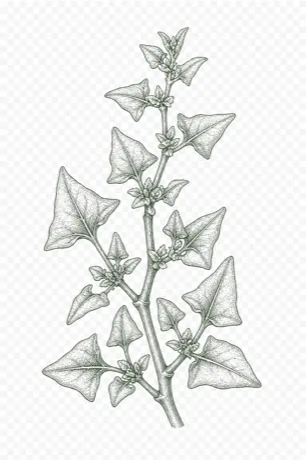
Nutritional profile
According to the USDA FoodData Central database, New Zealand spinach is very high in water and low in calories, with a small amount of dietary fiber and a little protein. It contains vitamin A in the form of carotenoids, along with vitamin C and some minerals such as potassium and manganese. Like true spinach it naturally contains oxalic acid, which is one reason the leaves are usually cooked rather than eaten raw in quantity.
In the kitchen
New Zealand spinach is prepared like spinach and is best cooked, since brief blanching or sauteing softens its texture and mellows the flavor. Blanch the leaves for a minute, then squeeze dry and use them in quiches, savory pies, frittatas, and creamed greens. It also works stirred into soups and pasta, sauteed with garlic and olive oil as a simple side, or folded into stir-fries near the end of cooking. Use tender young tips whole; older leaves are best chopped.
Choosing & preparing
Choose bright green, crisp shoots with plump, tender young leaves and no yellowing, sliminess, or wilting. The freshest picks come from harvesting your own tips in the cool of the morning. At a farmers market, look for freshly cut bunches that feel firm rather than limp.
Flavor pairings
Its mild, mineral, spinach-like flavor pairs well with garlic, olive oil, butter, lemon, and nutmeg. It goes nicely with eggs, cheeses like feta and ricotta, cream sauces, pasta, rice, and beans. A splash of vinegar or lemon at the end brightens cooked greens.
Tips
Blanch and drain well before adding to dishes so the greens do not release too much water. Cook it just until wilted to keep the color and texture, and stir it in near the end of a recipe. Because it is usually cooked, a large raw pile will shrink considerably, so start with more than you think you need.
General food-composition information based on USDA FoodData Central. This is not medical or dietary advice; for personal guidance, consult a registered dietitian or your doctor. Page updated Sep 19, 2026.