
New Zealand Spinach Crop Rotation
Rotating New Zealand spinach keeps soilborne pests and diseases from concentrating in one bed and helps the soil hold onto the nitrogen this leafy green needs. Moving it each season also gives the ground a chance to rebuild fertility between plantings.
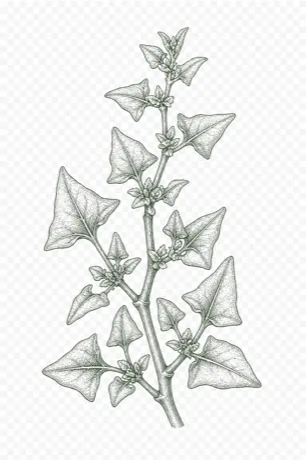
Plant family
New Zealand spinach belongs to the Aizoaceae, the fig-marigold or ice plant family. Despite its name, it is not related to true spinach, chard, or beets, which are in the amaranth family (Amaranthaceae). Its closest garden relatives are ornamentals such as ice plant, Livingstone daisy, and Delosperma, so it shares very few pests and diseases with common vegetables.
Why rotate new zealand spinach
When New Zealand spinach or its relatives grow in the same spot year after year, root-knot nematodes and damping-off fungi such as Pythium and Rhizoctonia can build up in the soil. Leaf-spot fungi like Cercospora and sap-feeding aphids and leafminers can also carry over on debris and in the ground. As a leafy crop it draws heavily on nitrogen, so repeated plantings leave the bed noticeably depleted.
What to plant after
Plant New Zealand spinach after legumes such as bush beans, pole beans, or peas. Legumes fix nitrogen through their roots, and that added nitrogen gives this leafy green the steady supply it needs for lush growth. Following a well-tended legume crop or a turned-in cover crop leaves the bed richer and looser than following another heavy feeder.
What to avoid
Avoid replanting New Zealand spinach in the same bed two seasons in a row, since it can host root-knot nematodes and leaf-spot fungi that linger in the soil. Also be cautious about placing it right before or after other nematode-prone crops such as tomatoes, cucumbers, and melons if root-knot nematodes are a known problem in your garden, because that lets the pest population keep climbing.
Example rotation
A simple four-year plan for one bed: Year 1 grow legumes such as beans or peas to build nitrogen. Year 2 grow New Zealand spinach and other leafy greens. Year 3 grow fruiting crops like tomatoes or peppers, or root crops such as carrots and beets. Year 4 grow brassicas or sow a cover crop, then return to legumes and begin the cycle again.
Tips
Keep a simple garden map or notebook each year so you can track where New Zealand spinach grew and wait at least two to three years before it returns to the same bed. Grouping plantings by family and working in a cover crop such as clover during an off year both help interrupt pest cycles and rebuild the nitrogen this crop favors.
General guidance for US home gardens. Adapt to your own crops, soil, and space; your Cooperative Extension office can help with a plan for your area. Page updated Sep 19, 2026.