
Marjoram Nutrition & Uses
Marjoram is an aromatic culinary herb used in small quantities for flavor rather than as a significant source of nutrients. The notes below describe its general composition as reported by USDA FoodData Central.
Nutritional profile
According to USDA FoodData Central, dried marjoram is very low in calories in the small amounts typically used and contains dietary fiber along with naturally occurring plant compounds that give it aroma. Fresh marjoram is mostly water, while the dried form is concentrated. Reference entries list the presence of vitamins such as vitamin A, vitamin C, and vitamin K, plus minerals including calcium, iron, and manganese; because a serving is usually only a pinch or a teaspoon, the amounts contributed to a dish are small.
In the kitchen
Marjoram has a sweet, mildly piney, floral flavor that is more delicate than oregano, and its aroma fades with long cooking, so it is often added near the end. Use it fresh or dried in soups, tomato sauces, roasted vegetables, and herb butters, and stir it into scrambled eggs, omelets, and cheese dishes. It is a classic seasoning for poultry stuffing, sausages, lamb, and bean dishes, and it is a traditional component of herb blends such as herbes de Provence and za'atar-style mixes.
Choosing & preparing
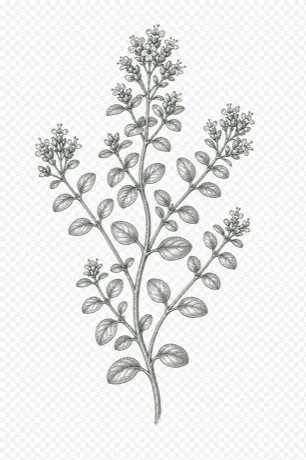
Choose fresh marjoram with perky, unblemished gray-green leaves and no yellowing, wilting, or dark spots. A strong sweet fragrance when you rub a leaf is the best sign of quality. For dried marjoram, buy from a source with good turnover and look for leaves that are still green and aromatic rather than faded and dusty.
Flavor pairings
Marjoram pairs naturally with tomatoes, onions, garlic, mushrooms, zucchini, and potatoes, and it complements eggs, poultry, pork, lamb, and mild cheeses. It works well alongside other Mediterranean herbs such as thyme, oregano, rosemary, and bay. A little lemon, olive oil, or butter helps carry its aroma in a finished dish.
Tips
Because heat drives off its delicate flavor, add fresh marjoram in the last few minutes of cooking or as a finishing garnish. When substituting dried for fresh, use about one third as much, and remember that marjoram is milder and sweeter than oregano, so you can often use a bit more where a softer flavor is wanted.
General food-composition information based on USDA FoodData Central. This is not medical or dietary advice; for personal guidance, consult a registered dietitian or your doctor. Page updated Sep 18, 2026.